
I average somewhere around six hours of screen time on a light day, and that's before we count the monitor for actual work. So when "blue light is aging your skin" started showing up in my feed on repeat, I had two options: panic, or go read the actual studies.
I read the studies. Here's the honest version, pharmacy brain fully engaged.
What Blue Light Actually Does to Skin
Let's start with the part that's real, because there is one. Blue light, also called high-energy visible or HEV light, sits right next to UV on the light spectrum, and it penetrates skin more deeply than UVB rays do.
A 2023 review pulled together the research on this and found something worth taking seriously: blue light exposure activates enzymes called matrix metalloproteinases, or MMPs, in skin cells. MMPs are the ones that break down collagen.
The same review found blue light disrupts melanocyte function too, which is the mechanism behind hyperpigmentation, particularly in darker skin tones.
So no, this isn't just skincare TikTok being dramatic for engagement. There's a real biological mechanism here.
Wait, Let's Check the Real Numbers
Here's where my pharmacy brain kicked in, because "blue light causes damage" and "your laptop is the problem" are two different claims, and a lot of content online quietly swaps one for the other.
A separate comparison study measured the actual blue light intensity coming off personal electronic devices and stacked it against sunlight. The sun won by a landslide. Digital screens emit meaningfully less blue light than just being outside on a normal day.
That doesn't make screen-based blue light nothing. It means the panic is aimed at the wrong villain. If you're already wearing SPF religiously outdoors but ignoring your six-hour monitor session, you've got the priorities backwards.
So Should You Actually Worry?
A little, not a lot. The effect from screens is real but cumulative, meaning it adds up over years of exposure rather than doing damage in one gaming session. It's also a smaller contributor than sun exposure, not a replacement threat.
The good news: the same protective habits that guard against UV damage largely cover blue light too.
A morning antioxidant serum neutralizes the free radicals that both UV and HEV light generate, and mineral sunscreens with zinc oxide or titanium dioxide block visible light along with UV. If you're already doing both, you're mostly covered.
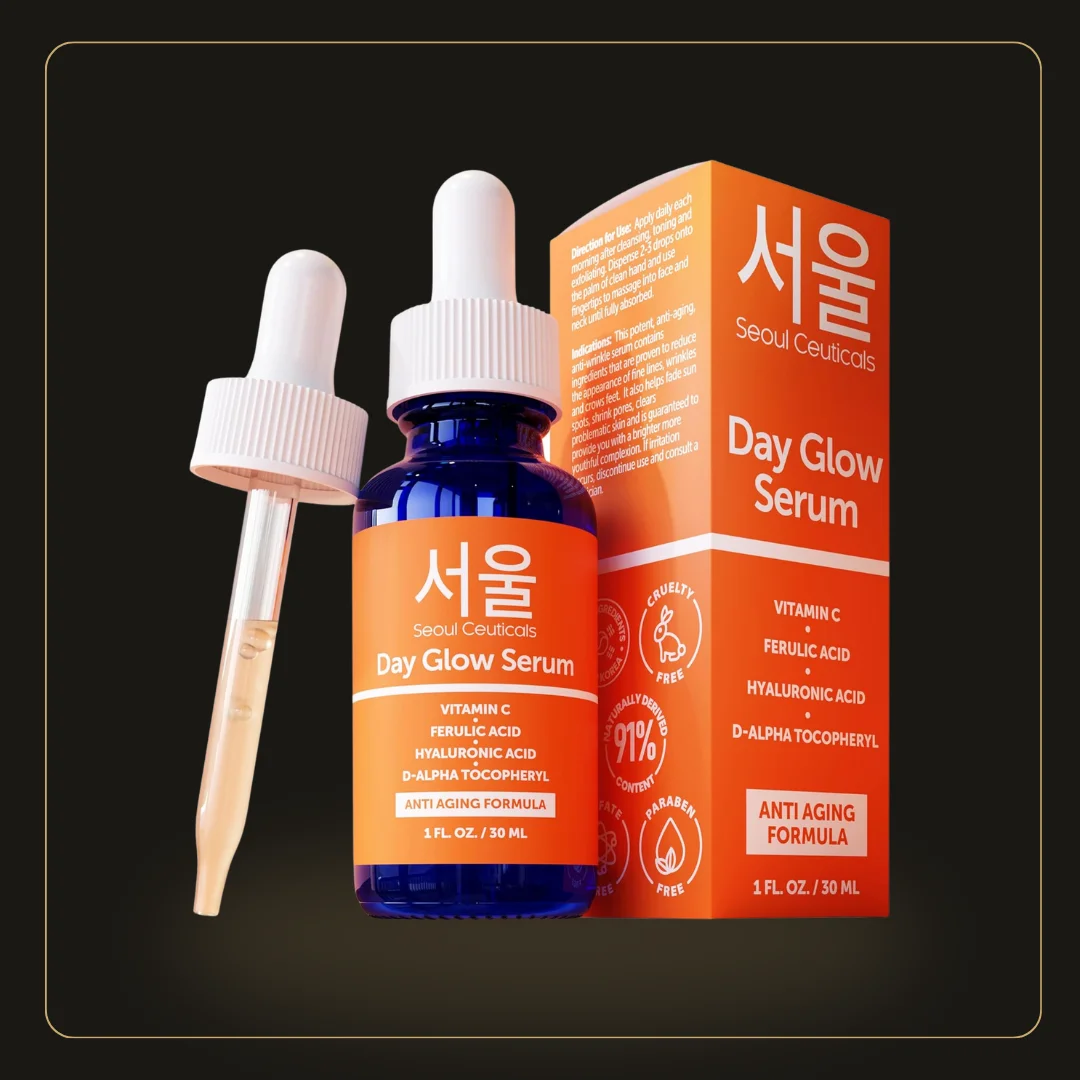
SeoulCeuticals 20% Vitamin C Serum
The antioxidant step that's already doing double duty against both UV and blue light free radicals, whether you're outside or clocking a long session at your desk.
$18.39 for 1 fl oz (check current pricing)
Shop on Amazon →Practical Takeaways
Practical Takeaways
- Sunlight is still the bigger blue light source by far. Don't skip outdoor SPF to worry about your monitor.
- An antioxidant serum in the morning covers both UV and screen-related free radical damage in one step.
- Mineral sunscreen with zinc oxide or titanium dioxide blocks visible light in addition to UV, if you want the extra layer.
- This is a slow, cumulative effect, not an emergency. You don't need a separate blue-light-specific product line.
If you want the full antioxidant-to-retinol lineup, our best anti-aging serums guide covers ten options across every major active.
Also, our anti-aging serum routine shows exactly where the morning antioxidant step fits before you clock into whatever raid, deadline, or ranked session is waiting for you.
Lastly, if retinol strength is more your speed for the nighttime half, our best retinol serums guide ranks seven options by strength and value, and our piece on the retinol purge covers what to expect if you're new to it.
The Bottom Line
Blue light does something measurable to skin. It's just not the main character the way your feed makes it sound.
The sun is still doing most of the work, and the same habits that protect against sun damage largely protect against screen exposure too. You don't need a new routine. You need the one you already should be running.
If you're still deciding between a retinol-first or peptide-first approach for that routine, our retinol serum vs peptide serum comparison breaks down the tradeoffs.
This article is for informational purposes only and does not constitute medical advice. Please talk to a dermatologist about concerns specific to your skin.
Frequently Asked Questions
Do I need a special blue light blocking skincare product?+
Should gamers and people who work at a computer worry more than average?+
Does blue light affect everyone's skin the same way?+
Do blue light glasses help protect skin too?+
Disclosure: The Ritual Guide is reader-supported. When you buy through links on this page, we may earn an affiliate commission. We independently select and review every product — our recommendations are never influenced by brand partnerships. Learn more about our editorial process.