.webp&w=3840&q=75)
I switched from a plain drugstore retinol to an encapsulated one at roughly the same percentage, expecting basically nothing to change. Instead my skin, which used to flake for a week every time I upped my frequency, barely noticed.
That's not a coincidence, and it's not just marketing language either. Encapsulation is an actual delivery technology, and it changes how retinol behaves on your skin in ways that matter more than the percentage on the label.
Here's what it's actually doing.
What "Encapsulated" Actually Means
Retinol has a stability problem before it even gets to your skin. It degrades when it's exposed to oxygen, UV light, and heat, which is why it typically comes in dark, opaque packaging and loses potency over time once a bottle is opened.
Encapsulation addresses this by wrapping retinol molecules in a protective shell, often lipid-based vesicles, or cyclodextrin, a ring-shaped sugar molecule that holds the retinol in its hollow center.
That shell protects the retinol from degrading before use, and it also controls how the retinol is released once it's on your skin.
Instead of a large dose of retinol converting to active retinoic acid all at once, encapsulation spreads that conversion out over a longer period. The peak concentration hitting your skin at any given moment is lower, even if the total amount over time is the same.
What the Research Actually Shows
This isn't just a formulation theory. It's been tested directly.
This study was conducted specifically in a Chinese population, and the researchers note that Asian skin tends to be more retinol-sensitive than some other skin types.
That's worth keeping in mind, but the underlying mechanism, slower release meaning lower peak irritation, isn't population-specific. It's basic pharmacokinetics.
Does Encapsulation Reduce Effectiveness?
This is the fair question to ask. If less retinol is hitting your skin at once, is it doing less?
The honest answer is that it depends on the formulation, but the evidence so far doesn't support a meaningful tradeoff.
Because encapsulated retinol degrades more slowly, more of the active ingredient survives through the product's shelf life, which can offset the slower release.
A well-formulated encapsulated product and a well-formulated non-encapsulated product at the same stated percentage don't necessarily deliver different total amounts of active retinol, just at different speeds.
The tradeoff, if there is one, is patience. A slower release generally means a slower path to visible results, in exchange for a much easier adjustment period.
Practical Takeaways
Practical Takeaways
- If retinol has irritated you before, an encapsulated formula at the same percentage is worth trying before giving up on the ingredient entirely.
- Encapsulated formulas may take slightly longer to show visible results, so give them the same 8 to 12 week window before judging.
- The percentage on the label matters less than how that percentage is delivered. Two products at the same stated strength can feel completely different.
- Store any retinol product away from direct light and heat regardless of encapsulation. Both formats still degrade under poor storage.
One formula built around this kind of controlled release:
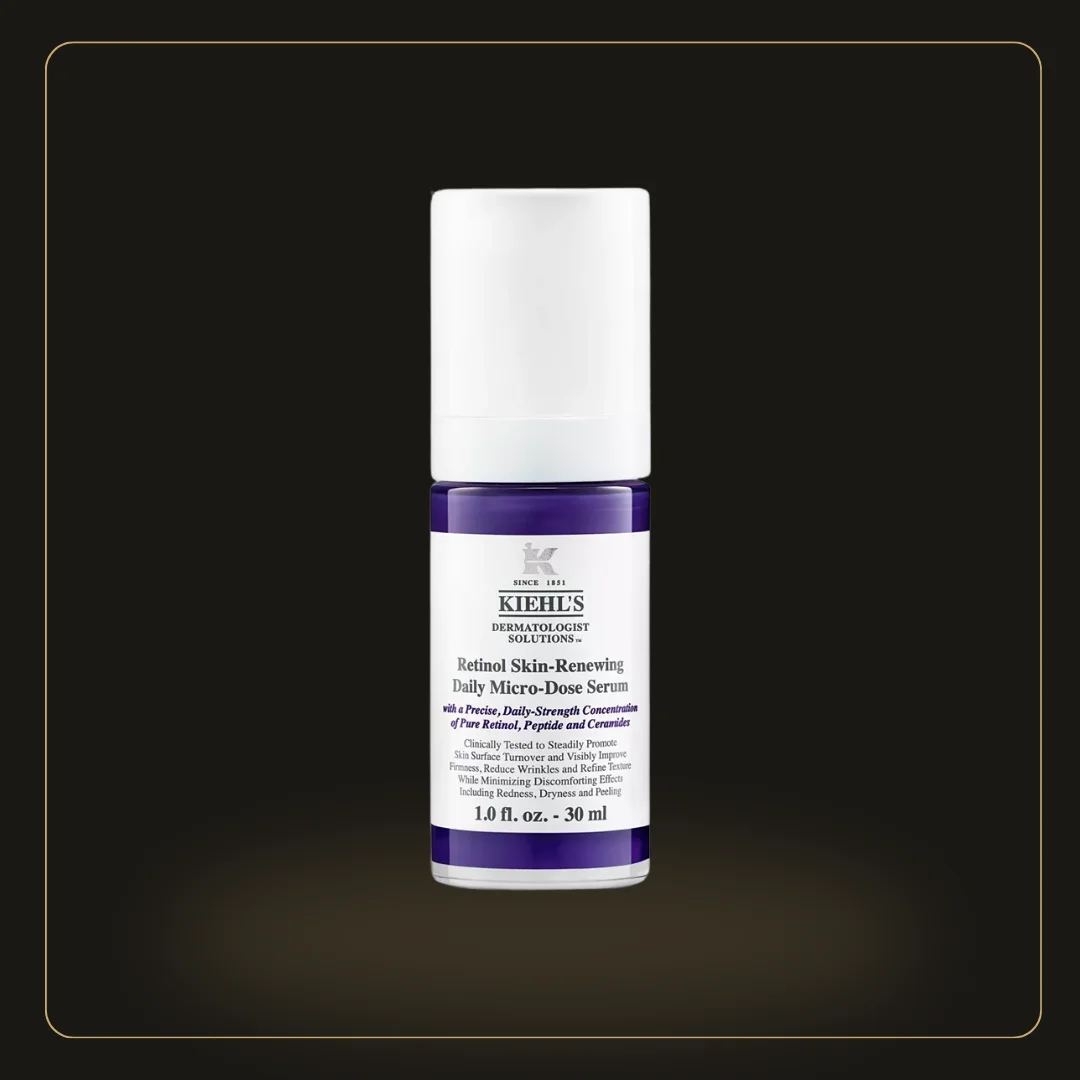
Kiehl's Micro-Dose Anti-Aging Retinol Serum
A daily-strength micro-dose formula paired with ceramides and a peptide, built specifically for consistent, gradual use rather than a dramatic swing.
$65.00 for 1 oz (check current pricing)
Shop on Macy's →The Bottom Line on Delivery Systems
The percentage on a retinol label tells you less than it seems to. How that retinol is delivered, encapsulated or not, stable or degrading in the bottle, slow-release or all at once, shapes the actual experience just as much.
For a full ranking that accounts for strength and delivery together, our best retinol serums guide covers seven options from micro-dose to high-strength.
If you're dealing with irritation regardless of formula, our piece on the retinol purge breaks down what's normal and what isn't. And our best anti-aging serums guide rounds out the picture with peptide and NAD+ alternatives for the nights you skip retinol.
For where this all fits into a daily routine, our anti-aging serum routine walks through the order that actually works, and our retinol serum vs peptide serum comparison covers the tradeoffs if you're deciding between actives entirely.
This article is for informational purposes only and does not constitute medical advice. Consult with a qualified medical professional for guidance specific to your situation.
Frequently Asked Questions
Is encapsulated retinol weaker than regular retinol?+
How do I know if a retinol product is encapsulated?+
Should beginners start with encapsulated retinol?+
Does encapsulated retinol take longer to work?+
Disclosure: The Ritual Guide is reader-supported. When you buy through links on this page, we may earn an affiliate commission. We independently select and review every product — our recommendations are never influenced by brand partnerships. Learn more about our editorial process.