The Best Bemotrizinol Sunscreens Are Finally Here, and Only a Few Deserve Your Money
BEMT sunscreen is finally on US shelves. We ranked 7 by label, price, and cost per application, and flagged the ones that hide their Drug Facts panel.
By Roberta Diaz|13 min read|Updated November 2, 2026
The Best Bemotrizinol Sunscreens Are Finally Here, and Only a Few Deserve Your Money
The Short Version
Bemotrizinol sunscreens are finally on US shelves, but the Drug Facts panel still matters more than the buzzword. Our top pick pairs 6% BEMT with a price you'd happily repurchase.
I've spent an unreasonable amount of time reading sunscreen labels this year, and I'm not proud of it. For over two decades the US shelf ran on the same short list of filters, so every sunscreen I actually wanted came with international shipping and a stern talk from my wallet.
Then the FDA cleared bemotrizinol, and the best bemotrizinol sunscreen became a normal shopping question instead of a customs question. Within a few months, drugstore brands, prestige brands, and a pile of Amazon listings all had BEMT in the name.
Here's the catch. Launch season is noisy. Some of these formulas are light, wearable, and priced for adults with rent. Others are pretty packaging wrapped around a vague label.
We sorted seven bemotrizinol sunscreens by what's on the label, what each costs per face application, and where each fits in a real morning. Here's what we'd actually wear, and what we'd leave in the cart.
Medical Disclaimer
This guide is editorial and informational, not medical advice. The Ritual Guide reviews products independently and doesn't diagnose, treat, or cure any condition. Please patch test new products, and check with your healthcare provider before starting a new active or supplement, especially if you're pregnant, nursing, taking medication, or managing a health condition.
Key Takeaways
The FDA added bemotrizinol (BEMT) to its sunscreen monograph in June 2026 at up to 6%, the first new sunscreen filter in more than 20 years.
Most BEMT sunscreens are blends. Neutrogena's Ultra Sheer lists avobenzone, homosalate, and octisalate beside the BEMT, so the Drug Facts panel still matters.
Our pick for most people is Neutrogena Ultra Sheer SPF 70, at about $0.51 per face application. Ultra Violette's Unblock Screen is the splurge, at about 0.99.
NeutrogenaUltraSheerDailyFaceSunscreenSPF70withBEMTBestFor:EverydaywearundermakeupThisistheBEMTsunscreenwe'dhandtoafriendwhohasneverreadaDrugFactspanel.Thebrand'spagelistsbemotrizinolat6%,themaximumtheFDAallows,inalightweightfaceformulathat'seasytofindandeasytorepurchase.16.97 for 1.4 fl oz (about $0.51 per face application)
Seven picks, ranked by what we'd buy first. The first five are brand-backed BEMT formulas, though one isn't on shelves until January. The last two are Amazon listings with label questions you should read before you click.
1
Neutrogena Ultra Sheer Daily Face Sunscreen SPF 70 with BEMT
Best For: Everyday wear under makeup, on a drugstore budget
Neutrogena is a fixture of the drugstore sunscreen aisle, which makes this the BEMT launch most people will actually run into. The brand's page lists bemotrizinol at 6%, plus avobenzone, homosalate, and octisalate.
So this is a blend, not a pure BEMT formula. Know that before you buy it for the filter alone. The pitch is the finish: Neutrogena says it's built for daily wear under makeup with no white cast, and it promotes a micro-peptide technology we'd treat as a bonus.
At about 17for1.4floz,thebeautymathisfriendly.MywalletandIdidnotneedameeting.
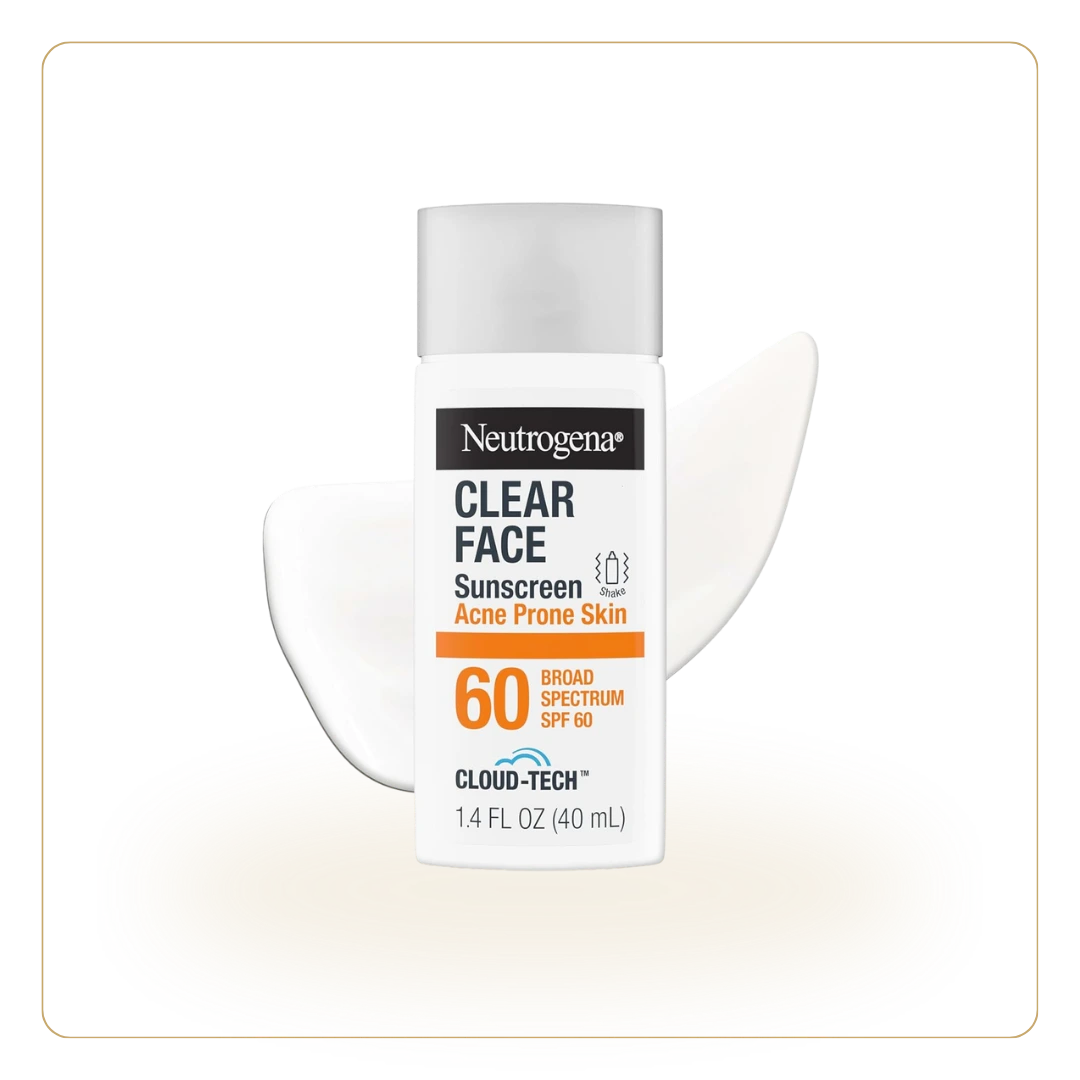
Neutrogena Clear Face Sunscreen Acne-Prone Skin SPF 60 with BEMT
Best For: Oily, breakout-prone skin that distrusts SPF
Acne-prone skin has trust issues with sunscreen, and I respect that. This is the sibling formula built for it, with niacinamide, vitamin E, and feverfew added to the BEMT.
Neutrogena labels it non-comedogenic and describes a matte finish with no white cast. Non-comedogenic is a brand claim, not a promise, so patch test along your jaw before you commit your whole face.
It costs the same as the Ultra Sheer, which is the part that made me smile.
Why We Like It
Oily skin gets a BEMT option without paying prestige money, and the price matches the Ultra Sheer exactly.
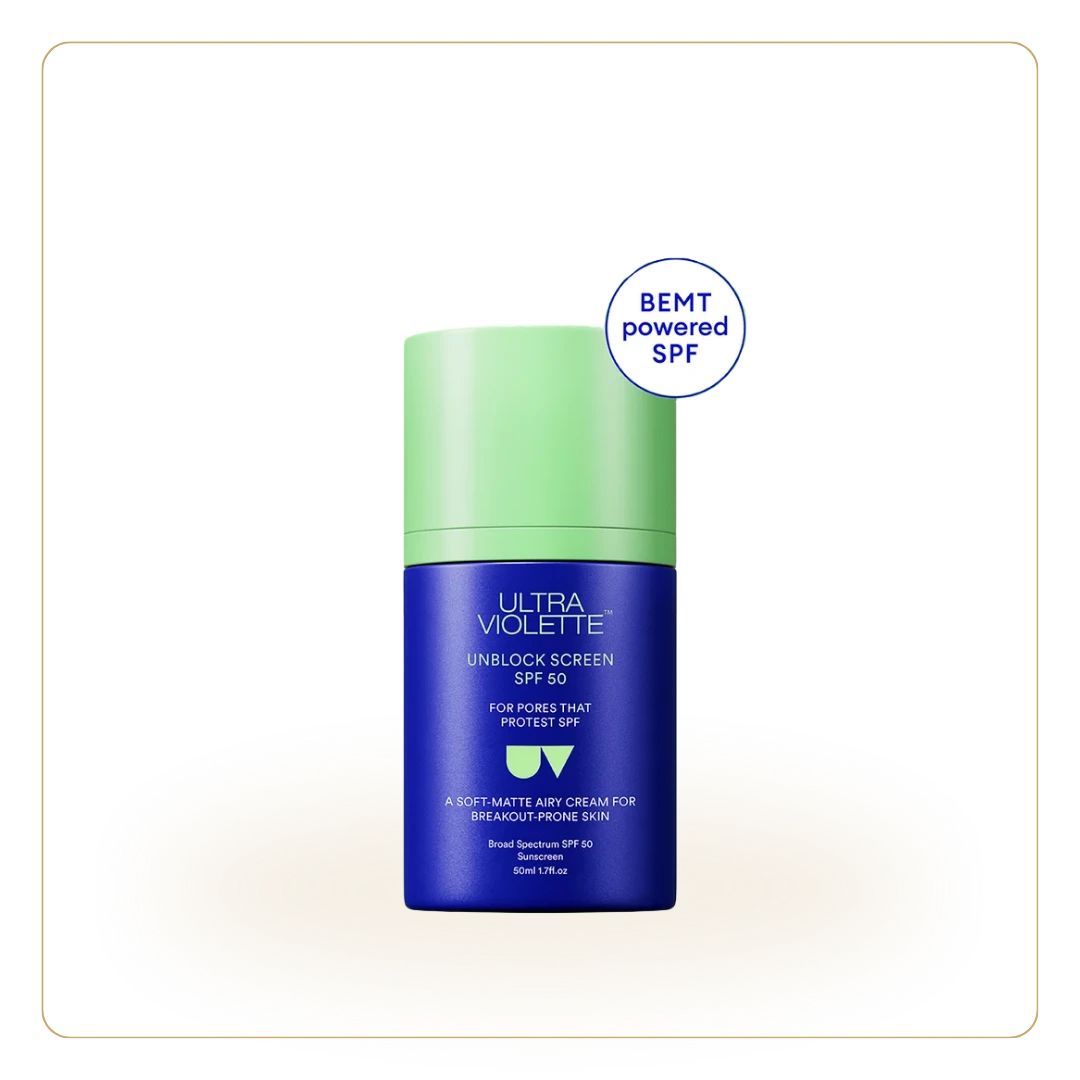
Best For: A smart splurge for oily or reactive skin
Ultra Violette is the Australian brand that, according to Drug Topics, got a bemotrizinol sunscreen onto US shelves first. That kind of head start makes a beauty editor lean forward.
The soft-matte SPF 50 pairs bemotrizinol with zinc and is made for oily, acne-prone, and reactive skin. Ultra Violette also lists Bix'Activ for shine control and Pentavitin for hydration.
BlogWhat Is Bemotrizinol and Why Did It Take So Long?The short history of the first new US sunscreen filter in more than 20 years, and what BEMT does that older filters can't.Read more →
GuidesBest Tinted Mineral SunscreensIf you'd rather skip chemical filters entirely, these are the zinc and titanium picks we'd compare first.Read more →
4
La Roche-Posay Anthelios UV Defense SPF 50 with BEMT
Best For: Dermatology-brand loyalists who want a milky daily SPF
Anthelios is the line a lot of people reach for when they want a pharmacy-shelf sunscreen from a skincare brand. Cosmetics Business reports this is its first US formula with BEMT.
The brand describes a lightweight, milky texture with a dewy finish and no white cast. We couldn't confirm the BEMT percentage or the other filters from the launch coverage, so read the Drug Facts panel on the box.
At 39.99,thepackaginghastodorealwork.Prettyisnotenoughatthisprice,sowe'dwaitforasaleorafewmorehands-onreviews.
Ultra Violette Fave Screen SPF 50 Lightweight Milky Face Sunscreen with Bemotrizinol
Best For: Skincare layerers willing to wait until January
Fave Screen is the one on this list you can't buy yet. Drug Topics reports a January 2027 launch, and Ultra Violette's own page still says coming soon.
The milky SPF 50 is reported to use 5% bemotrizinol with niacinamide and vitamins C and E. The brand pitches a glass-skin finish that layers under skincare and makeup.
There's no US price yet, so there's no beauty math to do. We want it next to the Neutrogena formulas on a bathroom counter before we rank it any higher.
Why We Like It
It's the first BEMT formula we'd want to compare against the drugstore options once there's a price and a ship date.
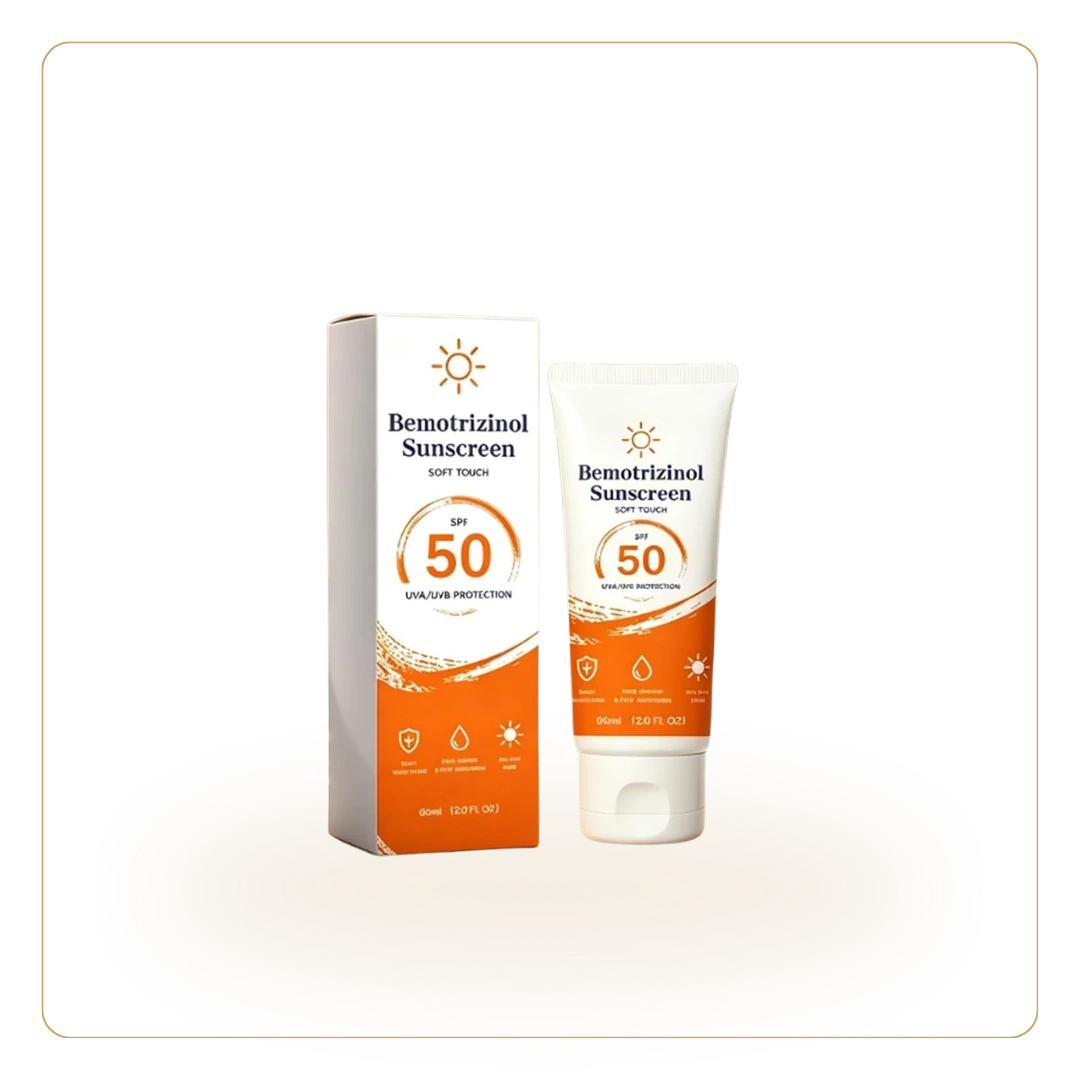
Sunscreen SPF 50 Face & Body Sun Care Lotion, 60ml (Bemotrizinol Sunscreen Store)
Best For: Curious shoppers who read labels closely
This is the straight-talk entry. The listing leans on the word bemotrizinol, but its product details show SPF 49 while the title says SPF 50, and the listing text we reviewed has no ingredient panel with percentages.
A US sunscreen should carry a Drug Facts panel naming each active ingredient and its percentage. Until you can see that panel, the filter inside is a claim, not a fact.
At about 20for2floz,itcostslessperouncethantheNeutrogenaoptions.Cheaperdoesn'thelpifthelabelcan'tbackupthename.
Best For: Body-sized bargain hunters, if the label checks out
This one has the lowest price per ounce and the thinnest paper trail. The brand name is simply Bemotrizinol, the product details show SPF 48, and the listing text doesn't name any active filters.
It's a 5 fl oz cream at $26.99, which works out to about 5.40anounce.Asunscreenisonlyabargainifit'sreallythesunscreenitsaysitis.
BEMT is a good reason to look at a new sunscreen. It's not a good reason to stop reading the box. Here's what we check first.
Read the Drug Facts Panel First
A real BEMT sunscreen names bemotrizinol in the active ingredients, with a percentage. The FDA's order allows up to 6%, and Neutrogena's Ultra Sheer page lists exactly that.
Look for SPF 30 or higher and the words broad spectrum too. If a seller won't show you the panel, that's your answer.
BEMT Isn't the Whole Formula
Most sunscreens labeled BEMT are blends. Neutrogena's Ultra Sheer pairs it with avobenzone, homosalate, and octisalate. Ultra Violette's Unblock Screen pairs it with zinc.
Bemotrizinol is also a chemical filter, not a mineral one. Dermatologists quoted by AJMC say non-nano zinc oxide sunscreens remain well supported, so BEMT is one more option, not a replacement. The choice of bemotrizinol versus zinc oxide mostly comes down to finish and skin type.
Reef-safe is the other question we get. The same AJMC piece says BEMT hasn't been linked to coral bleaching, but long-term ocean data is limited and the term has no regulated meaning in the US. The wider question of reef-safe sunscreens is murkier still.
Match the Finish to Your Skin
Oily or acne-prone: Neutrogena Clear Face or Ultra Violette Unblock Screen.
Under makeup: Neutrogena Ultra Sheer, which the brand built for daily wear.
Dewy and skincare-heavy: La Roche-Posay Anthelios UV Defense, or Fave Screen once it ships.
Dark spots: BEMT isn't a melasma treatment, and the best sunscreen for melasma is often a tinted formula.
Cost Per Application Beats Cost Per Tube
A 5 fl oz tube looks like a bargain until you do the math. We used Ultra Violette's own directions of about a quarter teaspoon for the face, roughly 1.2 mL, to compare every option with a verified size and price.
Price
16.97
FaceApplications~34
CostperUse0.51
Cost per Face Application Breakdown
1
BEMOTRIZOL Cream
5 fl oz at 26.99,labelunverified
0.22
2
Sunscreen SPF 50 Face & Body Lotion
2 fl oz at 19.99,labelunverified
0.41
3
Neutrogena Ultra Sheer SPF 70
1.4 fl oz at 16.97
0.51
4
Neutrogena Clear Face SPF 60
1.4 fl oz at 16.97
0.51
5
Ultra Violette Unblock Screen SPF 50
50 ml at 40.00
0.99
Beauty math is still math. The two cheapest per application are the listings we can't verify, which is exactly why we ranked them last.
How Much to Use and When to Reapply
Ultra Violette's directions call for about a quarter teaspoon on the face and another quarter on the neck and chest. They also note that the pump doesn't measure an exact dose, so don't assume one pump is enough.
Neutrogena says to apply 15 minutes before sun exposure and reapply at least every 2 hours. Reapply sooner after swimming or sweating. AJMC's dermatology Q&A recommends broad-spectrum SPF 30 or higher.
Who Should Be Careful
Patch test any new sunscreen, especially if your skin is reactive. Neutrogena advises asking a doctor before using its sunscreen on children under 6 months.
AJMC also reports that people with a melanoma history are advised not to switch yet and to talk with their clinician first. We'd extend that caution to anyone managing a skin condition or taking a medication that affects sun sensitivity.
Where BEMT Sunscreen Fits in Your Morning Ritual
A sunscreen only works if it fits a routine you'll repeat. This is the sequence we'd use, built around the brands' own directions.
The Ritual
7:00 AM
Cleanse, then moisturize if your skin needs it.
Ultra Violette says sunscreen goes after or in place of moisturizer.
7:10 AM
Apply about a quarter teaspoon to the face and another quarter to the neck and chest.
Let it settle for at least 30 seconds before makeup, per Ultra Violette.
7:25 AM
Head out the door, or finish makeup.
Neutrogena says to apply 15 minutes before sun exposure.
Midday
Reapply if you're outdoors.
At least every 2 hours, and sooner after swimming or sweating.
Sunscreen works best as the last step of a morning sunscreen ritual you'll actually repeat.
What the Research Says About Bemotrizinol
BEMT is new to US shelves, but it isn't new science. AJMC notes it has been used in the EU since 2000, and most of what's published on the US rollout so far is regulatory review and expert commentary.
JAAD International
2026 · Editorial
Photostability and low absorption are the main reasons BEMT earned its place.
The authors describe bemotrizinol as photostable, unlike avobenzone, with broad-spectrum coverage and limited systemic absorption. They note the FDA added it in June 2026 at up to 6%, and argue the delay came from the regulatory process, not the science.
AJMC's dermatology Q&A reports that bemotrizinol kept more than 90% of its protective capacity after extended sun exposure in testing, and that it can help stabilize avobenzone in blended formulas. That's an expert summary, not a head-to-head trial, so we treat it as supportive.
The short version: the filter looks promising on stability and absorption, and the daily habit has the stronger evidence. Pick the formula you'll wear every morning.
The Bottom Line
Start with Neutrogena Ultra Sheer, save up for Unblock Screen, and skip any listing that hides its Drug Facts panel.
BEMT is a real step forward for US sunscreens, but the formula you'll wear daily matters more than the buzzword. At about 51 cents per face application, the Neutrogena options are the easiest way in.
Which Bemotrizinol Sunscreen to Buy First
If you only buy one best bemotrizinol sunscreen this season, make it Neutrogena Ultra Sheer SPF 70 for daily wear or Clear Face SPF 60 for breakout-prone skin. Both are priced like normal sunscreen and easy to find.
If you'd rather stay mineral, tinted mineral sunscreens are the closest comparison. And if the filter itself is still fuzzy, it helps to know what BEMT actually is: one molecule that covers UVA and UVB.
As with any new sunscreen, talk to your doctor or dermatologist first if you have a skin condition, a skin cancer history, or a medication that affects sun sensitivity.
Frequently Asked QuestionsIs bemotrizinol FDA-approved for sunscreen?+The FDA finalized an order in June 2026 adding bemotrizinol to the OTC sunscreen monograph at up to 6%. It covers adults and children 6 months and older. Sunscreens are regulated as OTC drugs, which is why the order matters.Is a BEMT sunscreen mineral or chemical?+Chemical. Dermatologists quoted by Healio describe it as the first chemical filter to earn the FDA's generally recognized as safe and effective status. Zinc oxide and titanium dioxide are the mineral filters, and Ultra Violette's Unblock Screen blends BEMT with zinc.Is bemotrizinol gentler on sensitive or acne-prone skin?+Dermatologists quoted by Healio say it appears to cause less irritation than other chemical filters, but that's an early impression, not an established finding. Patch test first, and talk to a dermatologist if your skin is reactive.How much bemotrizinol sunscreen should I use on my face?+Ultra Violette's directions call for about a quarter teaspoon on the face and another quarter on the neck and chest. Apply it 15 minutes before sun exposure and reapply at least every 2 hours. Check each product's label for its own directions.Is bemotrizinol reef-safe?+AJMC reports it hasn't been linked to coral bleaching, but long-term ocean data is limited. Reef-safe has no regulated meaning in the US, so we treat the label as marketing until there's better evidence.
Disclosure: The Ritual Guide is reader-supported. When you buy through links on this page, we may earn an affiliate commission. We independently select and review every product, and our recommendations are never influenced by brand partnerships. Learn more about our editorial process.