The Best Tinted Mineral Sunscreens, and How to Match the Shade
Most tinted sunscreens only come in 2 to 4 shades. We ranked 11 by shade range, finish, and cost per use, and show how to match yours.
By Roberta Diaz|17 min read|Updated November 2, 2026
The Best Tinted Mineral Sunscreens, and How to Match the Shade
The Short Version
A tinted sunscreen only works if the shade matches your skin. Our value pick is CeraVe's Tinted Sunscreen, and bareMinerals has the widest shade range we found.
Tinted sunscreen is the one skincare product that can ruin a whole look with a single wrong purchase. Too light and you look like you've been dusted with flour. Too dark or too orange and you've accidentally invented a new foundation shade.
That's the part most roundups skip. They list the brands and wave at the word universal, and then you're standing at your mirror with a tube that doesn't match.
So this list treats shade range as the main event. For each pick, we list the shades the retailer shows, flag the ones that don't show a range at all, and compare price per application so your wallet gets a say too.
Every product here is a mineral formula built on zinc oxide, titanium dioxide, or both. Pick your shade first, then decide how much you're willing to spend.
Medical DisclaimerThis guide is editorial and informational, not medical advice. The Ritual Guide reviews products independently and doesn't diagnose, treat, or cure any condition. Please patch test new products, and check with your healthcare provider before starting a new active or supplement, especially if you're pregnant, nursing, taking medication, or managing a health condition.
Key Takeaways
A tinted sunscreen is a sunscreen plus iron oxide pigment, so the shade you choose decides whether it blends or sits on top of your skin.
Shade ranges vary a lot. CeraVe offers 3 shades and Supergoop's Mattescreen offers 3 tinted shades plus an untinted one. Colorescience has 6, and bareMinerals has close to 20.
Our value pick is CeraVe, at about $0.34 per face application. The premium picks run roughly $1.00 to $1.35 per application.
Research suggests tinted mineral sunscreens with iron oxides may help even out pigmentation in people with melasma. The tint is not what protects you, so apply a full amount either way.
Editor's Pick
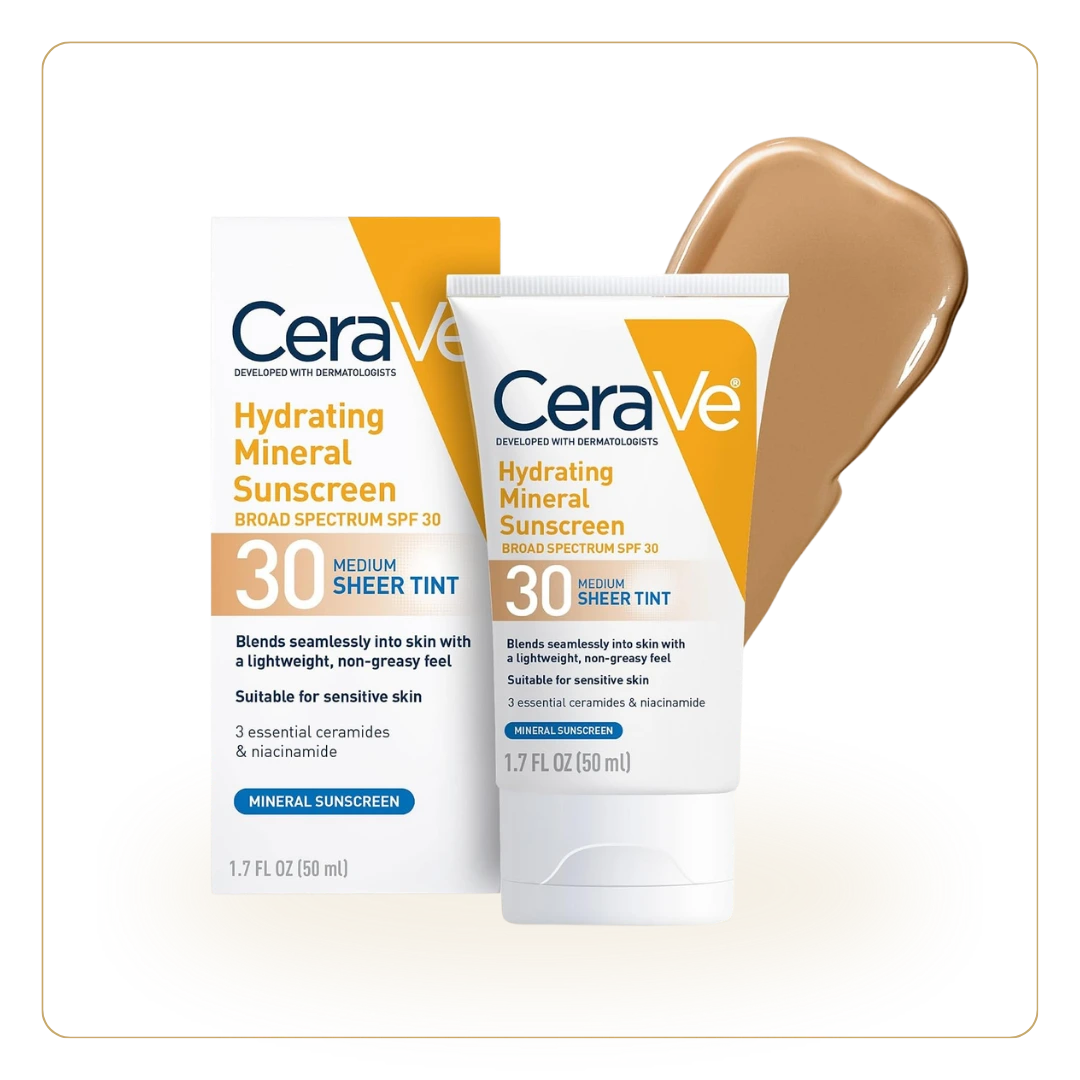
CeraVe Tinted Sunscreen for Face, Mineral SPF 30
Best For: Everyday wear on a budgetThis is the tinted mineral sunscreen we'd point most people toward first. It comes in three shades (Light, Medium, and Deep), uses zinc oxide and titanium dioxide, and adds niacinamide, hyaluronic acid, and ceramides.
$13.99 for 1.7 fl oz, Medium shade (about $0.34 per face application)
Eleven picks, ranked by how well we think they'd work for the widest range of people. Shade info comes from each retailer's listing, so check the swatches on the brand's page before you click buy.
1
CeraVe Tinted Sunscreen for Face, Mineral SPF 30
Best For: Budget-friendly daily wear
CeraVe's tinted mineral sunscreen is the drugstore answer to a problem prestige brands charge double for. It uses zinc oxide and titanium dioxide, with iron oxides for a sheer tint that offsets the usual white cast.Shades: Light, Medium, and Deep. Three shades is a short list, so match carefully. CeraVe positions it as a tinted moisturizer with niacinamide, hyaluronic acid, and ceramides, and says it's fragrance-free and non-comedogenic.At about $0.34 per face application, it's the cheapest on this list by a wide margin. Verdict: save.
Why We Like ItIf you fall inside the three shades, it's the easiest yes here, and the price lets you apply a full amount without flinching.
Price$13.99 for 1.7 fl oz (Medium) (check current pricing)
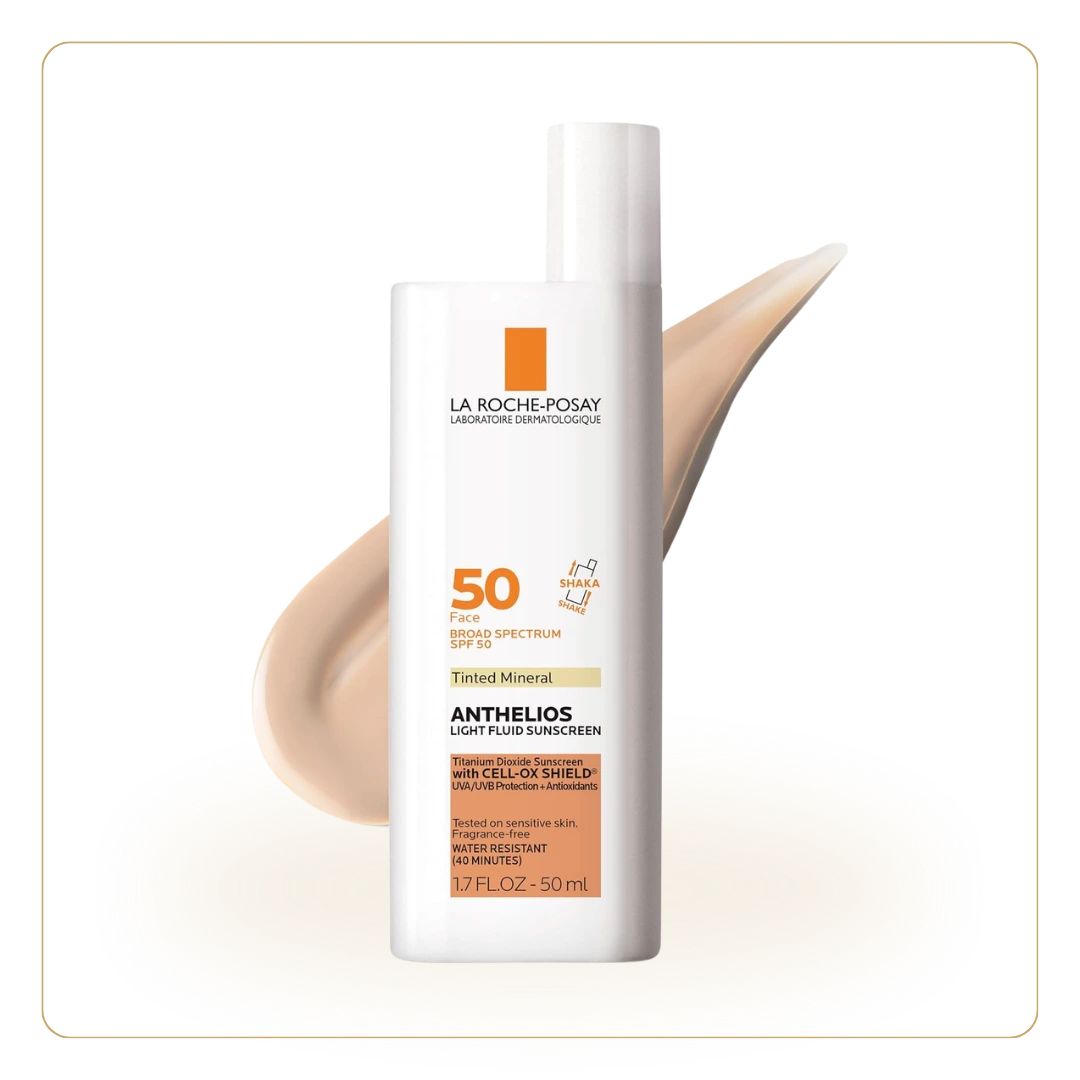
La Roche-Posay Anthelios Mineral Light Fluid SPF 50
Best For: Matte finish under makeup
Anthelios Mineral Light Fluid is a zinc oxide and titanium dioxide formula with an SPF 50 rating and a fast-absorbing, matte finish. The Amazon listing notes an Allure Best of Beauty win in 2023 and a Skin Cancer Foundation recommendation.Shades: the listing shows Light, Medium, and Deep, plus an untinted option, and its description mentions several tints, so confirm the exact range on La Roche-Posay's page. The listing also says 40-minute water resistance.It costs about $0.98 per application. That's real money, though less than most prestige picks. Verdict: worth it if you want matte.
Why We Like ItA reliable pharmacy-shelf brand with an SPF 50 and a matte finish, which suits anyone who finds dewy formulas greasy by lunchtime.
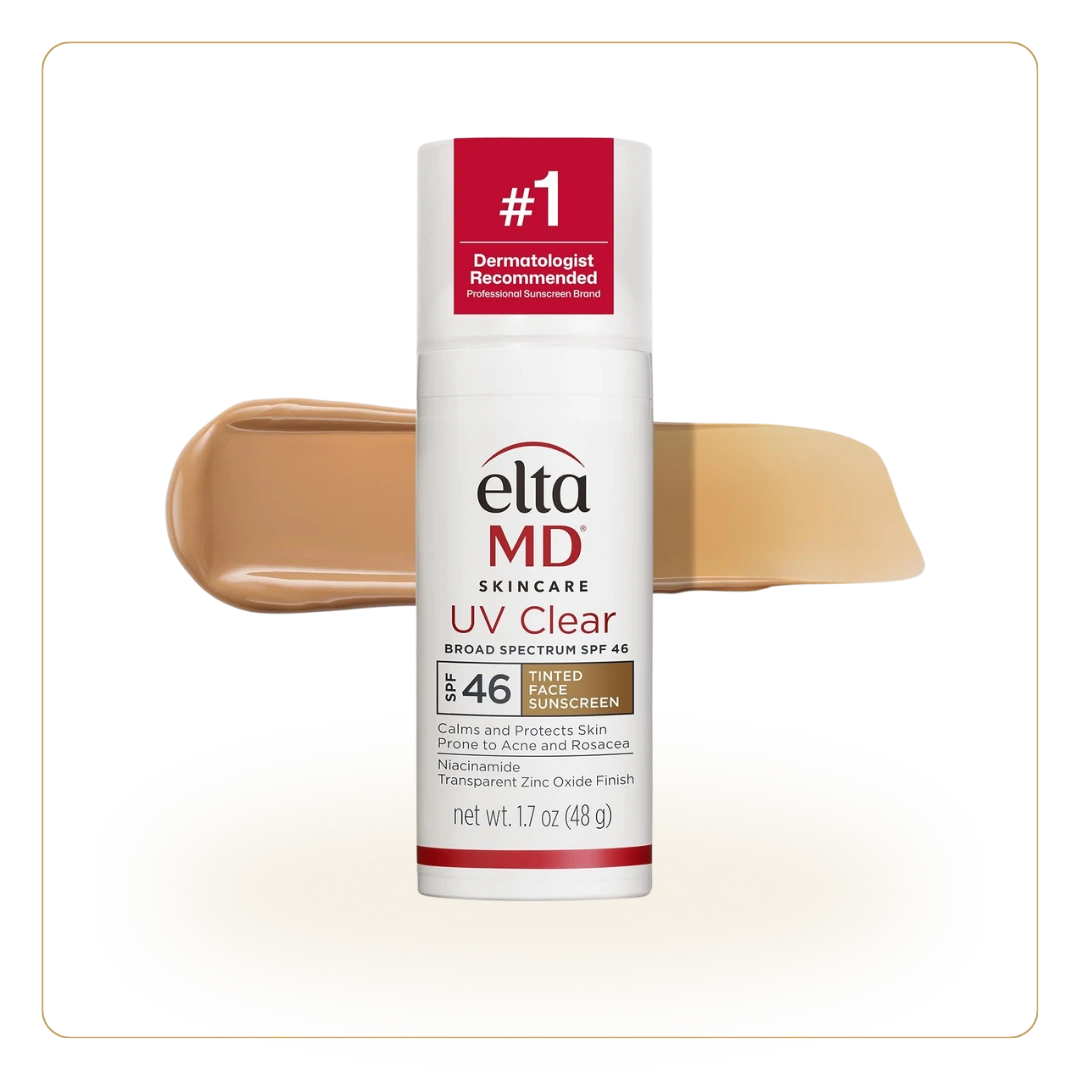
UV Clear is a derm-office favorite, and the tinted version uses transparent zinc oxide with niacinamide in an oil-free formula. EltaMD designs it for normal, oily, acne-prone, and rosacea-prone skin.Shades: the listing shows 03 Tinted and 04 Deep Tinted, plus untinted and blemish-prone versions. That's a short tinted range, so deeper and fairer skin should swatch first. The tinted version is SPF 46 rather than 50.At about $1.18 per application, it's a splurge-lite. Verdict: splurge if breakouts or redness steer your choices.
Why We Like ItIf your skin gets cranky with most sunscreens, this is the tinted one we'd try first, as long as one of the two tints suits you.
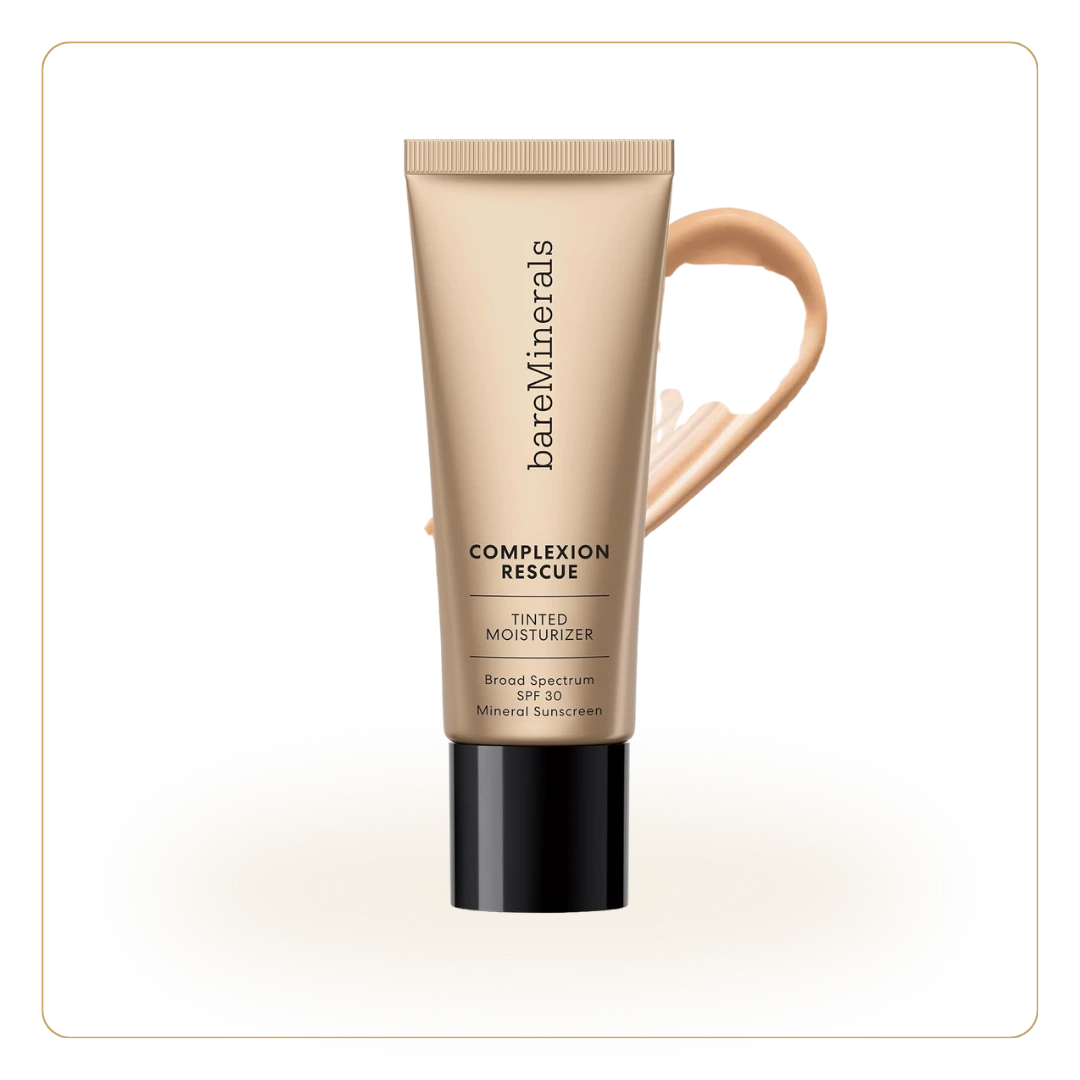
This is a tinted moisturizer first and a sunscreen second, with sheer-to-light buildable coverage and a dewy finish. It's formulated with hyaluronic acid and squalane, and bareMinerals says it suits dry, combination, mature, and sensitive skin.Shades: close to 20, numbered from Opal 01 through Mahogany 11.5, including names like Buttercream, Wheat, Ginger, Spice, and Cedar. If other tinted sunscreens never seem to come in your color, start here.The numbers take a little decoding, and the tint is part of the product, so you'll want to swatch before you commit. Verdict: splurge, and the shade range earns it.
Why We Like ItNo other pick on this list gets close on shade range, which matters most if you've been stuck between two shades everywhere else.
GuidesBest Sunscreen for MelasmaWhich sunscreen features matter most when dark spots are the main concern.Read more →
GuidesBest Bemotrizinol SunscreensThe new clear chemical filter, ranked by label, price, and cost per application.Read more →
5
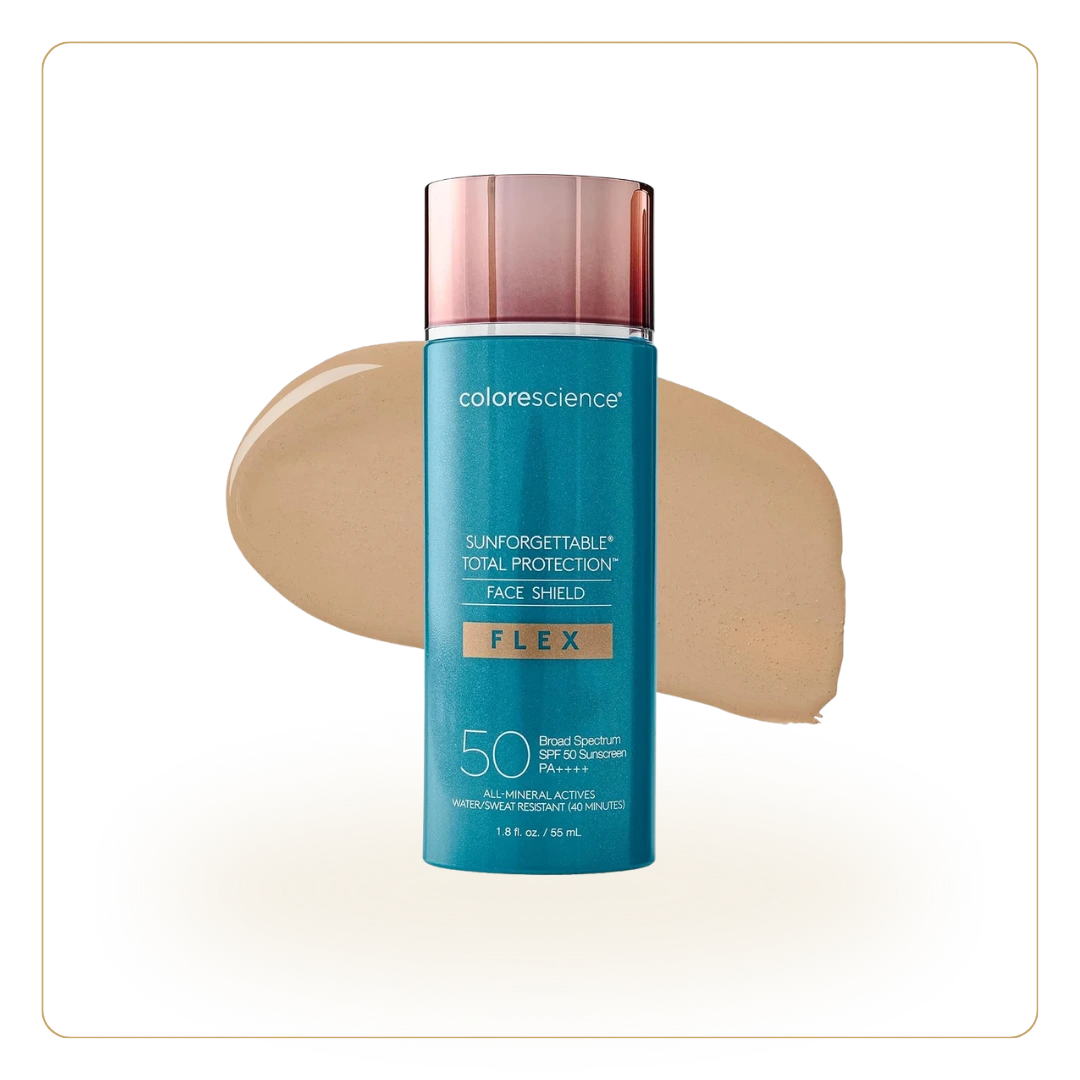
Colorescience Total Protection Face Shield Flex SPF 50
Best For: Foundation-style coverage
Colorescience markets this zinc oxide formula as a foundation replacer, with buildable medium coverage and a demi-matte finish. The brand also says it protects against blue light, infrared radiation, and pollution, which is marketing language we'd treat as a bonus.Shades: Fair, Light, Medium, Tan, Deep, and Rich Deep. That's a respectable six, and the Rich Deep shade is a real plus for deeper skin. The listing says it's water and sweat resistant for 40 minutes.It runs about $1.34 per application, the priciest per use here. Verdict: splurge, and only if you'll skip foundation.
Why We Like ItIf a tinted sunscreen is replacing your base makeup anyway, the coverage and the six shades make the price easier to justify.
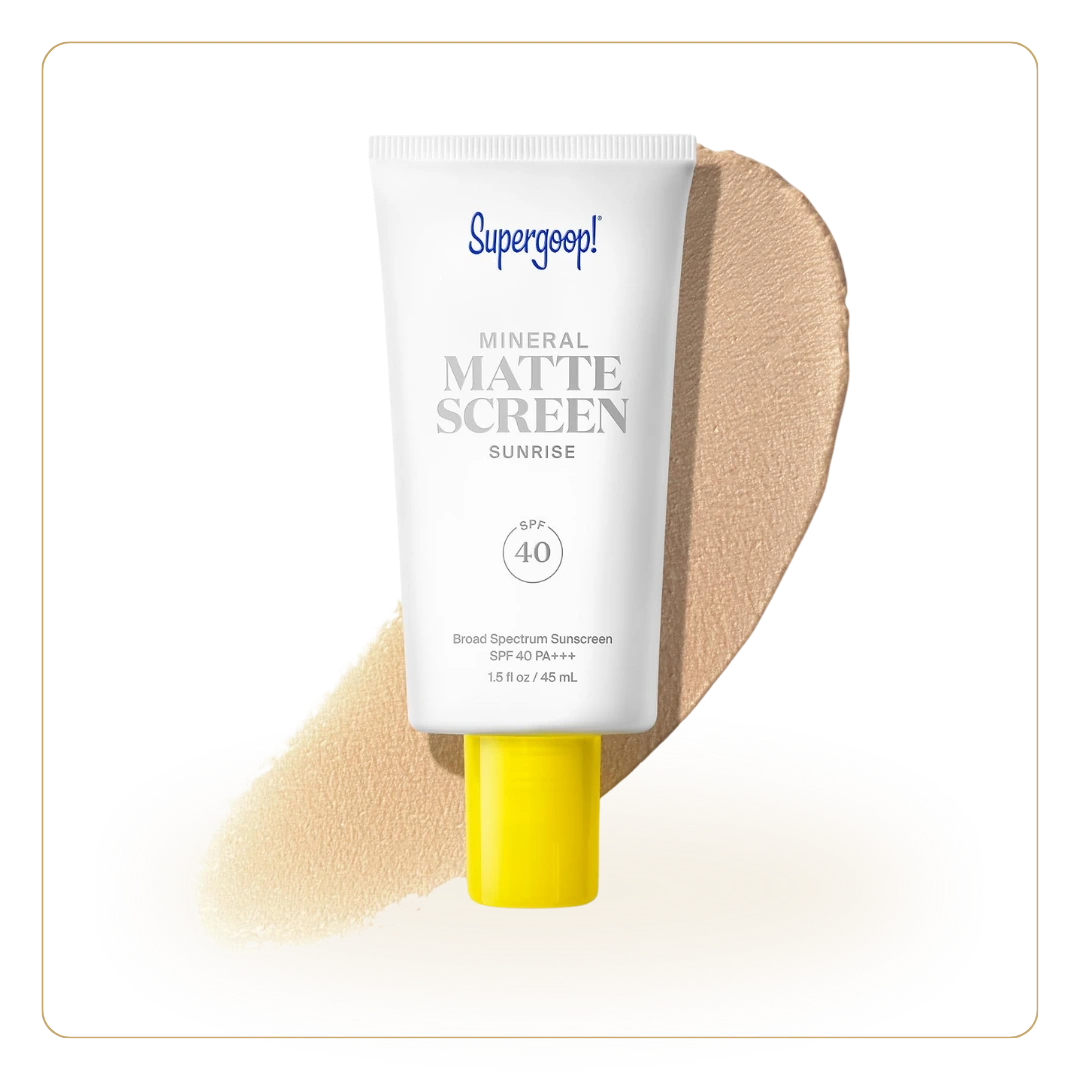
Supergoop Mattescreen Mineral Tinted Face Sunscreen SPF 40
Best For: Oily skin and shine control
Mattescreen is an oil-free zinc oxide sunscreen with a neutral tint and bamboo extract. The listing says it controls shine for 12 hours and minimizes the look of pores, which we'd treat as a goal rather than a promise.Shades: Sunrise, Golden Hour, and Sunset, plus an untinted option. The names describe tone rather than depth, so don't guess from them. Swatch in daylight and check which one the brand's chart says matches your undertone.It comes to about $1.11 per application. Verdict: splurge, mainly for oily or combination skin.
Why We Like ItIt's a good fit if your tinted sunscreen usually slides off your T-zone by noon, and the shade names reward a careful swatch.
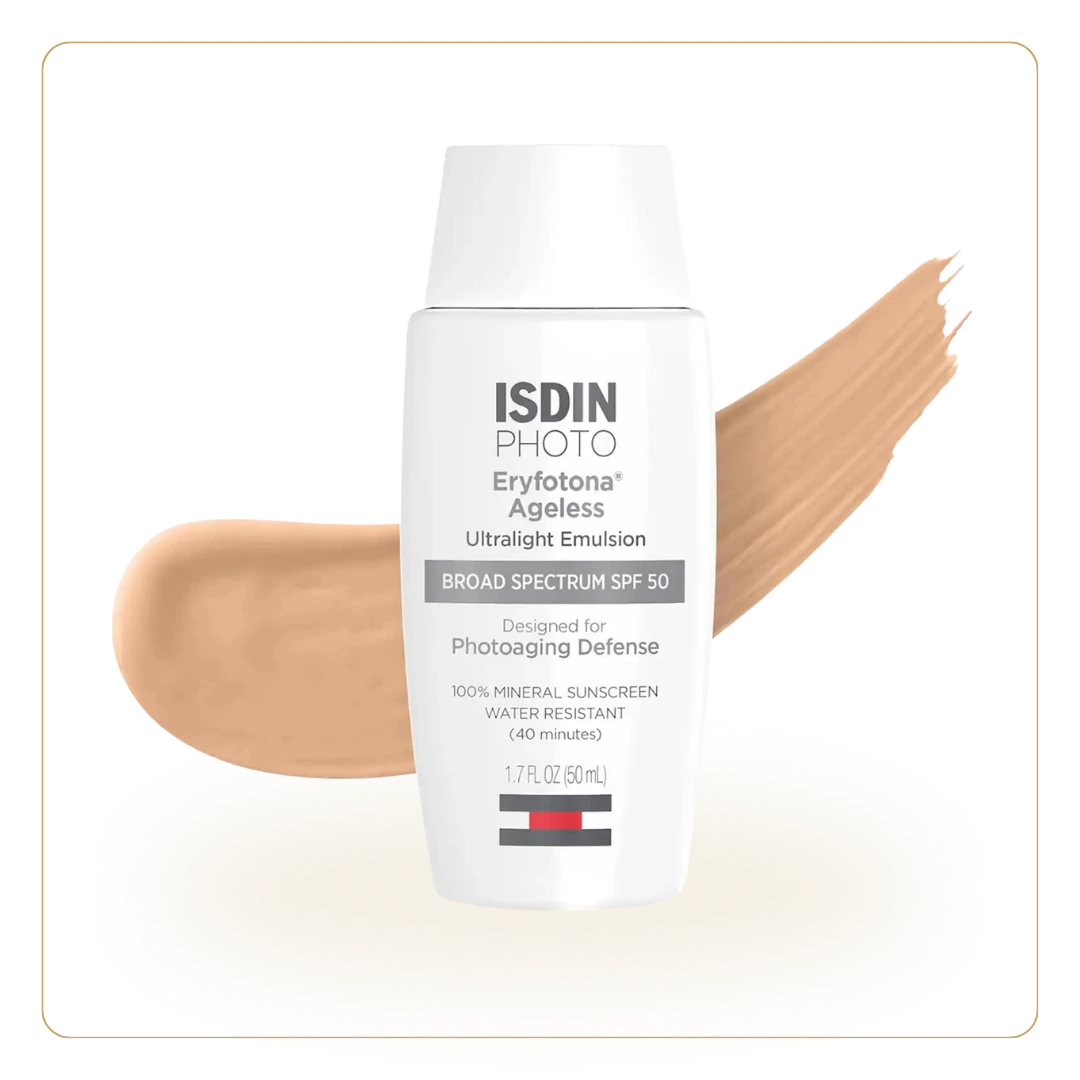
ISDIN Eryfotona Ageless Tinted Mineral Face Sunscreen SPF 50
Best For: Mature skin and sensitive skin
ISDIN's tinted SPF 50 is an ultralight mineral emulsion with vitamin E, made for sensitive skin and sold as a photoaging defender. The brand says the tint evens skin tone and works under makeup.Shades: the listing describes a versatile tint and doesn't show a shade range. Check ISDIN's page before you buy, because a single tint will not suit everyone. The listing also references an older version of the product, so make sure you get the one you want.It costs about $1.23 per application. Verdict: splurge, but confirm the shades first.
Why We Like ItThe formula suits people who want a lightweight, skincare-forward SPF, but only buy it once you've seen the shade options.
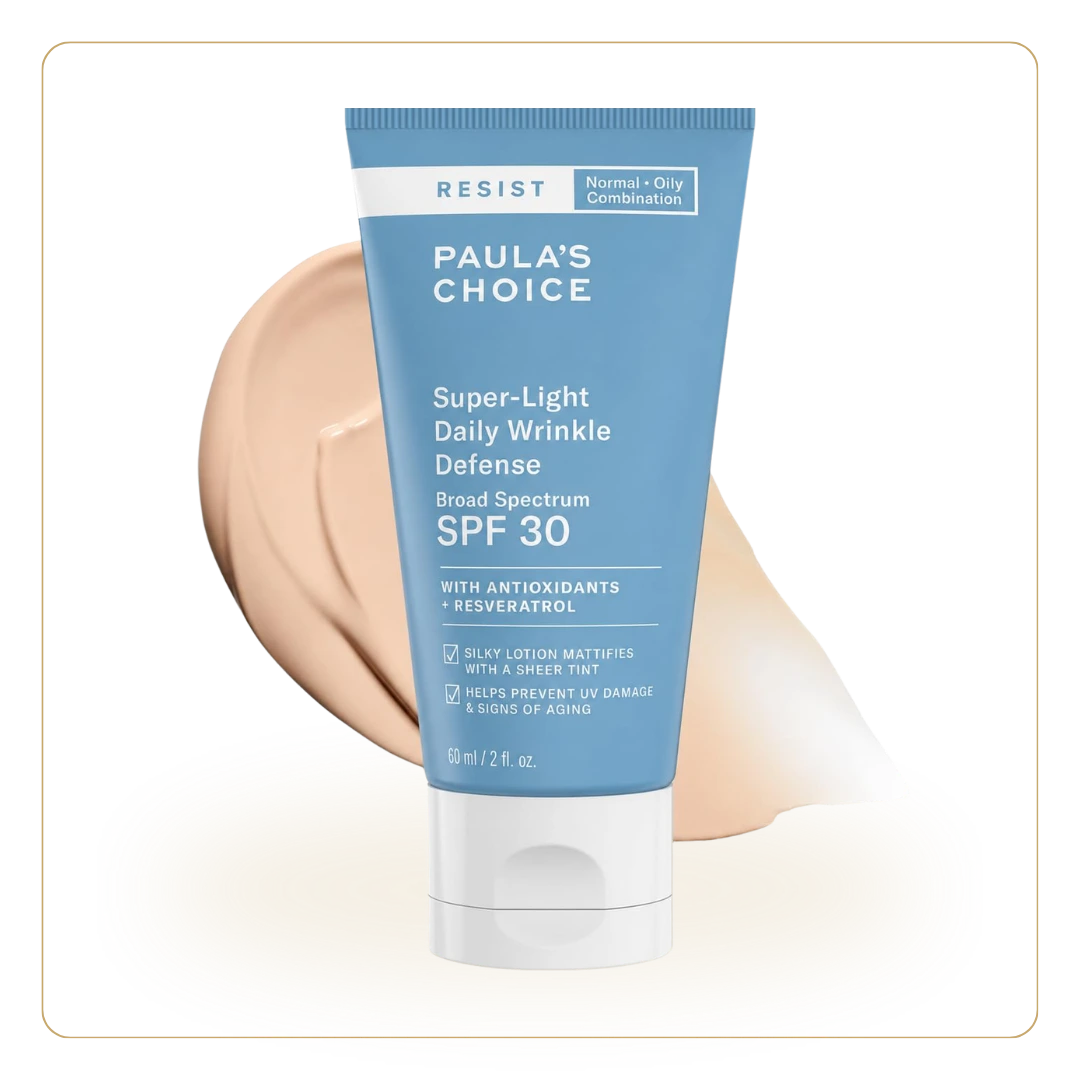
Paula's Choice RESIST Wrinkle Defense Mineral Sunscreen SPF 30
Best For: Oily and combination skin on a mid budget
Paula's Choice makes this a soft-matte tinted mineral moisturizer with antioxidants and resveratrol, formulated for normal, oily, and combination skin. It's fragrance-free and layers under makeup.Shades: the listing doesn't show a shade range, which makes it a swatch-first purchase. If it's a single tint, it'll suit some people beautifully and others not at all, so check the brand's page.At about $0.81 per application, it's the second cheapest per use on the list. Verdict: save, if the tint cooperates.
Why We Like ItA mid-priced matte pick with a good price per use, as long as the tint works with your undertone.
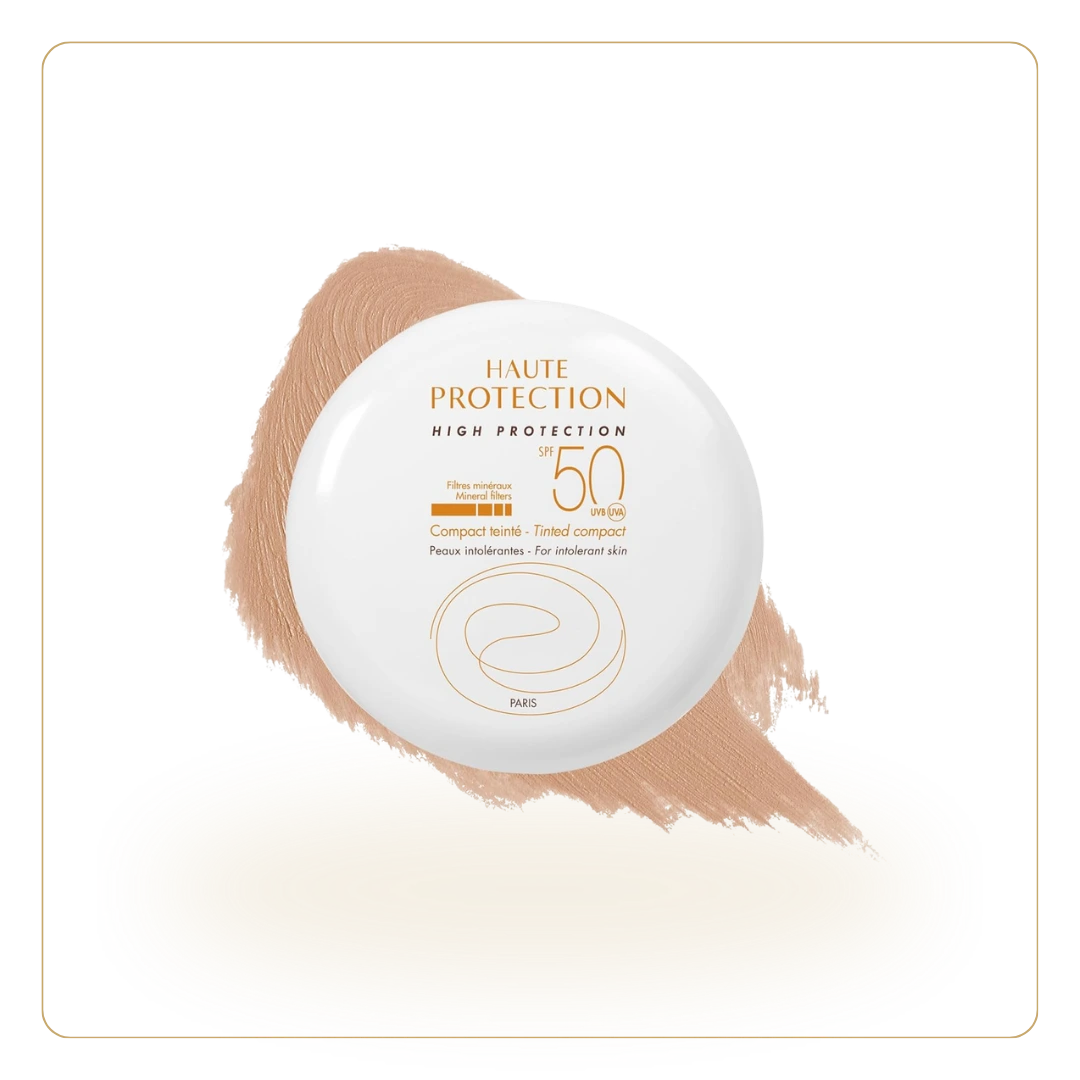
This is a cream-to-powder compact with a 100% mineral filter, a matte finish, and a Skin Cancer Foundation recommendation noted on the listing. It's designed for reapplying on the go, even over makeup.Shades: Beige and Honey. Two shades is the narrowest range here, so a lot of people will be left out. It's a small compact at 0.3 oz, and it can be hard to tell how much you're actually applying.We'd treat it as a touch-up tool, not your main morning sunscreen. Verdict: skip as a primary, keep as a purse backup.
Why We Like ItIt solves one problem well, midday reapplication over makeup, and it's not designed to replace a full-face morning layer.
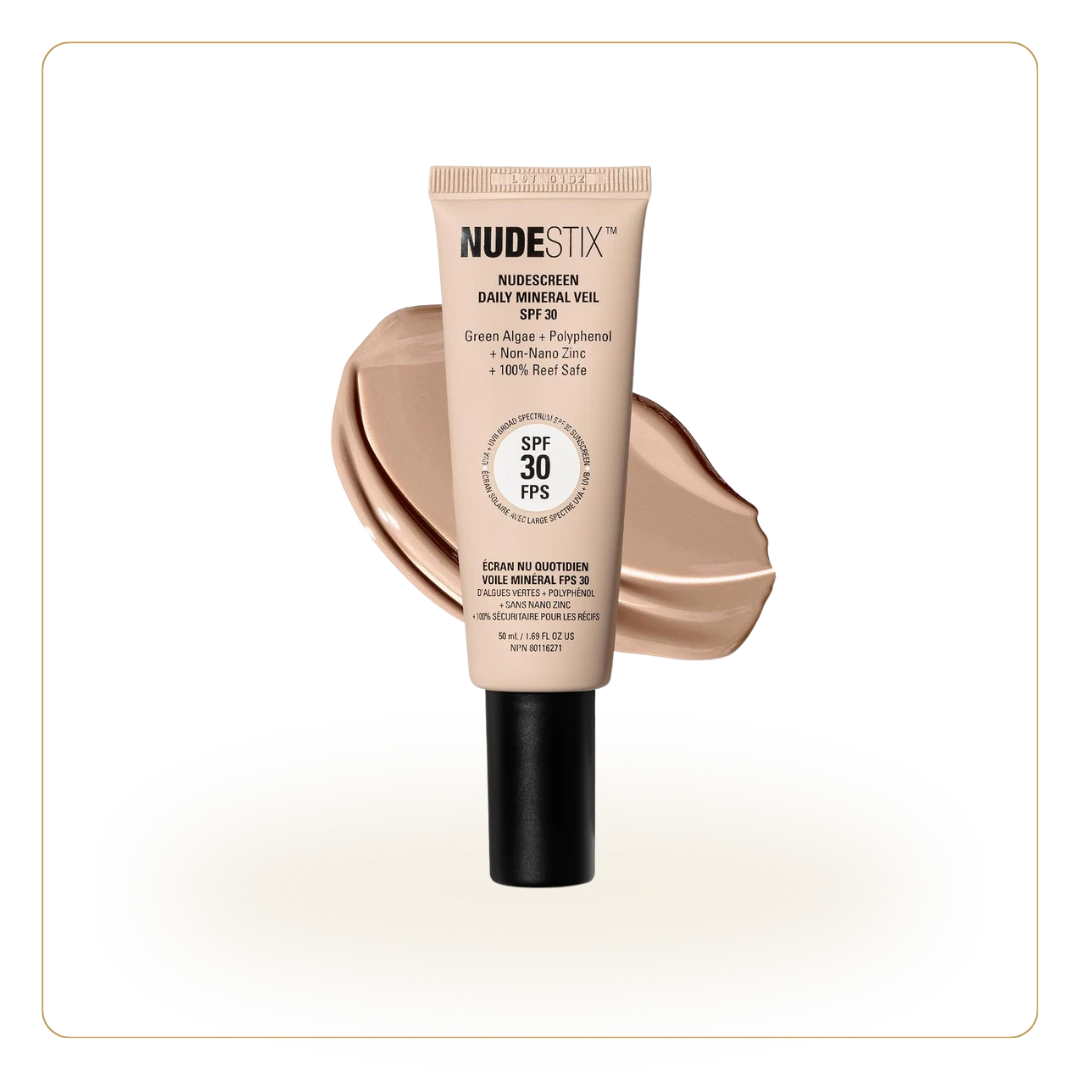
Nudescreen is a lightweight, oil-free zinc oxide SPF 30 with a sheer tinted veil and a soft matte finish. The brand says it's vegan and free of synthetic fragrance, and you apply it as the last skincare step.Shades: Nude, Cool, Tan, and Warm. Those names are helpfully undertone-based, which is a plus. The listing's size and price-per-ounce numbers don't line up cleanly across shades, so we couldn't work out a reliable cost per use.Verdict: skip until you've confirmed the size and price on the brand's page.
Why We Like ItThe shade names are the most intuitive on this list, and we'd happily revisit it once the size and price details are consistent.
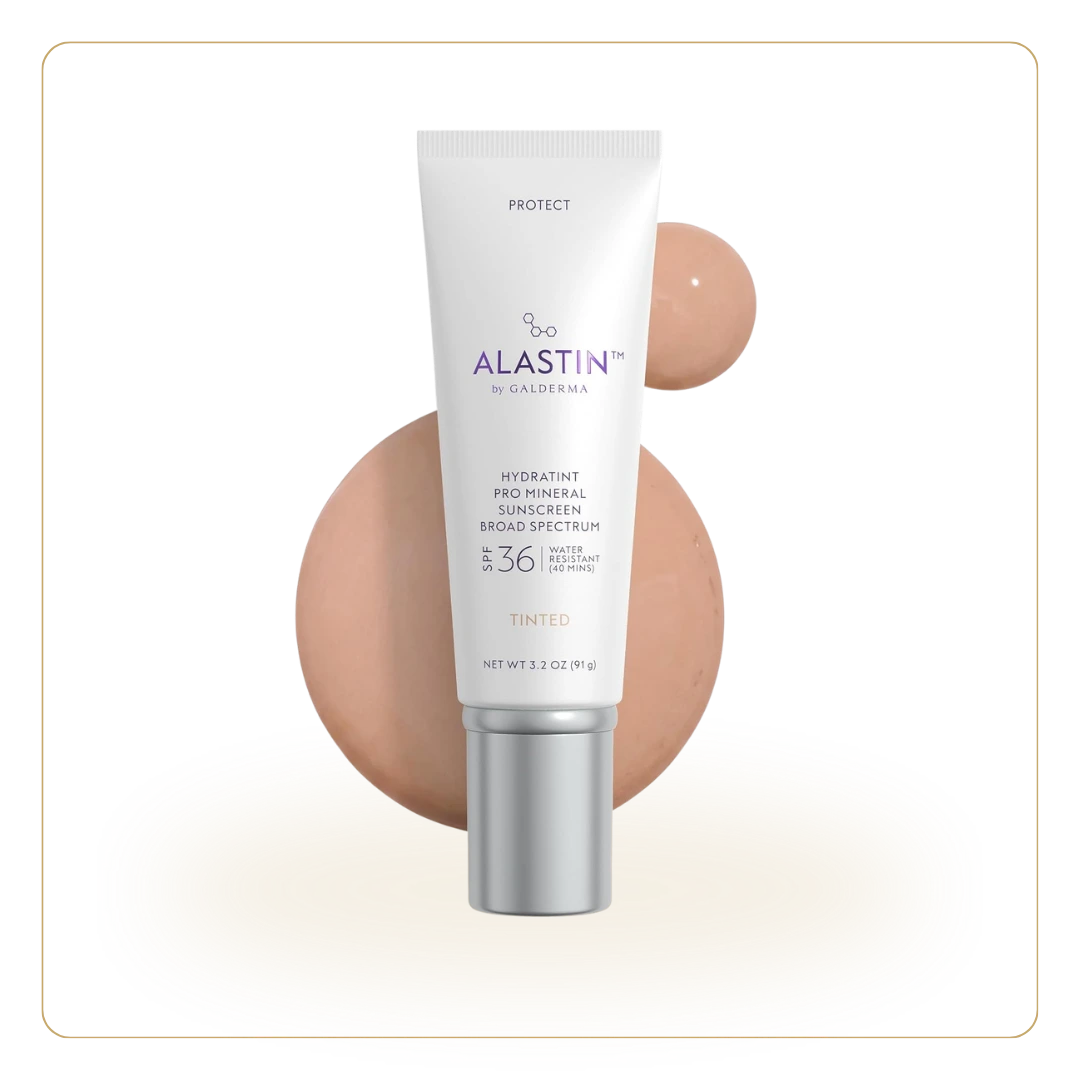
ALASTIN Skincare HydraTint Pro Mineral Tinted Sunscreen SPF 36
Best For: A big-tube splurge for face and neck
HydraTint Pro is a lightweight mineral SPF 36 that doubles as a daily moisturizer, with a tint meant to give an even glow on the face and neck. It's fragrance-free and water resistant, per the listing.Shades: the listing doesn't show a shade range, so this is another swatch-first buy. It's sold as a 3.2 fl oz tube, which is the largest size on the list.The big tube brings it to about $1.09 per application, which is better than the sticker suggests. Verdict: splurge, and only after you've seen the shade.
Why We Like ItThe size makes the math friendlier than the price tag suggests, but the missing shade information keeps it near the bottom.
A tinted sunscreen carries iron oxide pigment, and that pigment is what hides the white cast. The wrong shade doesn't just look off. It also tempts people to use less, which defeats the purpose of sunscreen.
Good shade matching starts on your jawline, not your hand, since your face and your hand are rarely the same color. Look at it in daylight near a window, then step back from the mirror.
Shade CheckIf you're between two shades, we'd go lighter and build with a second thin layer, since sheer tints are easier to add than to take away. If every shade looks ashy or orange, an untinted version from the same line can be the better call.
Read the Shade Names, Not Just the Word Tinted
Brands name shades in completely different ways. CeraVe uses Light, Medium, and Deep. Supergoop uses Sunrise, Golden Hour, and Sunset. Nudestix uses Nude, Cool, Tan, and Warm, and bareMinerals uses numbered shades.
That means Medium at one brand won't match Medium at another. Treat each brand's chart as its own scale.
Pick a Finish for Your Skin Type
Oily or combination: Supergoop Mattescreen, Paula's Choice RESIST, or La Roche-Posay Anthelios Mineral Light Fluid.
Dry or mature: bareMinerals Complexion Rescue or ISDIN Eryfotona Ageless.
Acne-prone or sensitive: EltaMD UV Clear or CeraVe.
Dark spots: the best sunscreen for melasma is often a tinted mineral formula, and iron oxides are the reason.
Touch-ups over makeup: Avène Mineral Tinted Compact.
The Tint Is Not the Protection
Coverage can make you feel protected when you aren't. Sheer tints and tinted moisturizers still need a full amount spread over your whole face, so don't apply less because it looks like makeup.
Every formula here uses zinc oxide, titanium dioxide, or both. If you're weighing mineral and chemical options, bemotrizinol versus zinc oxide mostly comes down to finish and skin type. And mineral labels often come with reef-safe language, which is an unregulated claim, so reef-safe sunscreens deserve a closer read.
Whichever you pick, check the Drug Facts panel for the active ingredients and the SPF.
Cost Per Application Beats Cost Per Tube
We used a quarter teaspoon, about 1.2 mL, as a benchmark amount for the face. It's an estimate, not a brand direction, so your own usage may differ. At that amount, one CeraVe tube lasts roughly 41 applications.
Price$13.99
Face Applications~41
Cost per Use$0.34
Cost per Face Application Breakdown
1
CeraVe Tinted Sunscreen1.7 fl oz at $13.99
$0.34
2
Paula's Choice RESIST SPF 302 fl oz at $39.00
$0.81
3
La Roche-Posay Mineral Light Fluid1.7 fl oz at $39.99
$0.98
4
ALASTIN HydraTint Pro3.2 fl oz at $84.00
$1.09
5
Supergoop Mattescreen1.5 fl oz at $40.00
$1.11
6
EltaMD UV Clear Tinted1.7 oz at $48.00
$1.18
7
ISDIN Eryfotona Ageless1.7 fl oz at $50.00
$1.23
8
Colorescience Face Shield Flex1.8 fl oz at $58.00
$1.34
We left out bareMinerals, Nudestix, and Avène because their listed sizes aren't directly comparable. Beauty math is still math, and the cheapest per application isn't always the right shade.
Where Tinted Sunscreen Fits in Your Morning Ritual
Tinted sunscreen works best as the last skincare step in a morning sunscreen ritual, right before makeup. Here's the sequence we'd use.
The Ritual
7:00 AM
Cleanse, then apply your usual serum and moisturizer.Let it settle for a minute before sunscreen.
7:10 AM
Apply tinted sunscreen as the last skincare step and before makeup.Supergoop and Nudestix both direct this order. Blend along the jawline and hairline.
7:20 AM
Check your shade in daylight near a window.If it looks ashy or orange, the shade is wrong, not you.
Midday
Reapply if you're outdoors.At least every 2 hours. A compact like Avène's works over makeup.
Evening
Cleanse thoroughly to remove it.Tint can linger around the hairline, so check there.
What the Research Says About Tinted Sunscreen
Most of the evidence around tint comes from studies on melasma and visible light. It's a small body of work, and some of it is industry-funded, so we read it with that in mind.
Journal of Cosmetic Dermatology2025 · Randomized Study
In 41 women with melasma, tinted sunscreen with iron oxides narrowed the color gap between melasma and surrounding skin over 5 months.An untinted sunscreen with similar UV protection didn't show a significant change in that gap. Melasma severity scores dropped in both groups with no significant difference between them. The study was funded by NAOS Ecobiology Company, and several authors work for the company.Read the full study in Journal of Cosmetic Dermatology.
Annals of Internal Medicine2013 · Randomized Trial
In 903 adults followed for about 4.5 years, daily sunscreen users showed no detectable increase in skin aging.This trial tested broad-spectrum sunscreen in general, not tinted formulas. It's the reason the daily habit matters more than any single product.Read the full study in Annals of Internal Medicine.
Short version: tint with iron oxides may help with pigment uniformity, and daily sunscreen is what protects. Pick the shade you'll actually wear every day.
The Bottom LineStart with CeraVe if your shade is there, and look at bareMinerals if it isn't.The shade decides everything with a tinted sunscreen. CeraVe is the easy value pick at about $0.34 per application, and bareMinerals has the widest range we found. If a listing doesn't show its shades, swatch before you buy.
Which Tinted Mineral Sunscreen to Buy First
If you only buy one, make it CeraVe for a simple budget pick, or bareMinerals if you've never found your shade. Before you commit, swatch on your jawline in daylight.
As with any new sunscreen, talk to your doctor or dermatologist first if you have a skin condition, a skin cancer history, or a medication that affects sun sensitivity.
Frequently Asked QuestionsHow do I pick the right shade of tinted sunscreen?+Swatch on your jawline in daylight near a window, then step back from the mirror. If you're between two shades, go lighter and build. Each brand names its shades differently, so use the brand's own chart.Does tinted sunscreen protect better than untinted sunscreen?+Not for UV protection on its own. The tint comes from iron oxides, and a 2025 randomized study in women with melasma found tinted sunscreen narrowed the color gap between melasma and surrounding skin, while severity scores fell in both groups.Can tinted sunscreen replace foundation?+Some can, depending on coverage. Colorescience markets its Face Shield Flex as a foundation replacer, while CeraVe and bareMinerals are sheer to light. Swatch before you skip your base.Are tinted sunscreens good for deeper skin tones?+It depends on the range. bareMinerals has close to 20 shades, Colorescience offers Deep and Rich Deep, and CeraVe, EltaMD, and La Roche-Posay each offer a Deep shade. Check swatches, because shade names aren't standardized.How often should I reapply tinted sunscreen?+At least every 2 hours when you're outdoors, and sooner after swimming or sweating. Several of these list 40-minute water resistance, which is shorter than most people expect.
Disclosure: The Ritual Guide is reader-supported. When you buy through links on this page, we may earn an affiliate commission. We independently select and review every product, and our recommendations are never influenced by brand partnerships. Learn more about our editorial process.