The first retinol night cream I ever tried made my cheeks flake for two weeks. I kept using it because I thought that was the point. It wasn't.
I've loved thick night creams since I was young, long before I understood what retinol actually did. What I've learned since, from my own skin and from years of nursing, is that the strongest formula is rarely the right one. The retinol night cream that helps is the one gentle enough that you keep reaching for it.
That's the quiet problem with shopping for the best retinol night cream. The marketing pushes strength and speed, and your barrier pays for it. A cream can smell lovely and still leave your skin raw. It can be popular and still be too much for a beginner.
So I looked at these the way I'd want a friend to look at them for me. Strength, barrier support, fragrance, texture, and honest cost. Here are ten retinol night creams I'd feel comfortable recommending, from a gentle starter to a slow-release splurge.
Medical Disclaimer
This guide is editorial and informational, not medical advice. The Ritual Guide reviews products independently and doesn't diagnose, treat, or cure any condition. Please patch test new products, and check with your healthcare provider before starting a new active like retinol, especially if you're pregnant, nursing, taking medication, or managing a skin condition.
Key Takeaways
- The gentlest retinol cream you'll use consistently does more for your skin than the strongest one you abandon after a week.
- If you're new to retinol, start low. A 0.1% retinol cream a few nights a week is a kinder introduction than a high-strength formula.
- Fragrance, not just retinol strength, is a common reason sensitive skin reacts. Please patch test before committing.
- Cost per ml tells a truer story than the sticker price. Our cheapest pick runs about $0.27 per ml; the priciest, around $2.68 per ml.
The Best Retinol Night Creams We'd Reach For
We've grouped these by who they suit, not by rank. Start with the one that matches your skin, not the one with the biggest claim.
Good Molecules Gentle Retinol Cream
Best For: First-Time Retinol Users

Good Molecules is one of my favorite budget finds. It launched in 2019 as Beautylish's in-house line with a simple idea, strip out the retail markup and keep the science, and it's grown from a scrappy upstart into a name you'll now spot in Ulta and Target.
This little retinol cream is a perfect example. It keeps retinol low at 0.1% and leans on 0.3% bakuchiol, a plant compound that echoes retinol's collagen work with far less sting. It's vegan, cruelty-free, and fragrance-free, which is a lot of reassurance for around eight dollars.
Why We Like It
It costs almost nothing to find out if your skin gets along with retinol, and the bakuchiol buffer makes it forgiving for beginners.
Price
About $8 for 1 fl oz (check current pricing)
L'Oreal Paris Revitalift Anti-Wrinkle Night Cream
Best For: Barrier Support on a Budget

You've probably walked past this red jar a hundred times in the drugstore aisle. It's from L'Oreal's long-running Revitalift line, and its retinol is retinyl palmitate, the gentlest vitamin A ester, buffered with centella asiatica, or tiger grass, to keep the barrier calm.
That makes it a soft landing for a first retinol, and it's genuinely cheap. My one nurse caveat: it's fragranced, with allergens like linalool and limonene, so if your skin flushes easily, patch test along your jaw before you trust it on your whole face.
Why We Like It
It's the least expensive way I've found to try a retinol that keeps your barrier in mind rather than fighting it.
Price
About $14 for 1.7 oz (check current pricing)
Neutrogena Rapid Wrinkle Repair Retinol Pro+ Night Moisturizer
Best For: A Proven Drugstore Pure Retinol

I'll be honest about my bias here. Neutrogena has been one of my most-trusted brands since my nursing days, the one I reach for when I want something dermatologist-backed and no-drama. So I was glad this earned its spot on merit, not just loyalty.
It's their strongest night cream, built on 0.3% pure retinol with hyaluronic acid and a little vitamin C to soften the ride. Fragrance-free and non-comedogenic, but potent, so it's for skin already on good terms with a retinol cream. Build up slowly, a couple of nights a week at first.
Why We Like It
Pure retinol in a fragrance-free jar, easy to find, and strong enough to matter once your skin is ready for it.
Price
About $30 for 1.7 oz (check current pricing)
Olay Regenerist Retinol 24 Night Moisturizer
Best For: Fragrance-Free Nightly Use

Olay is the jar half of us grew up watching a mother or grandmother smooth on at night, and there's a quiet trust in that kind of longevity. The modern Regenerist Retinol 24 keeps that dependable feel while doing a little more.
It splits its vitamin A across retinol and gentler retinyl propionate, then adds niacinamide and peptides to steady the barrier and even tone. It's fragrance-free, dye-free, and sinks in without a sticky film, the sort of low-fuss formula that's easy to stay consistent with.
Why We Like It
The niacinamide is a thoughtful addition, and the fragrance-free formula suits skin that reacts to scent.
Price
About $30 for 1.7 oz (check current pricing)
RoC Retinol Correxion Max Daily Hydration Moisturizer
Best For: Oily and Combination Skin

RoC and I go back a long way. I used their eye cream for years, so I already trusted how this French pharmacy brand handles retinol before I ever opened this jar. They were stabilizing vitamin A long before it was trendy.
This one is oil-free and non-comedogenic, with hyaluronic acid and vitamins C and E in a light gel-cream that won't sit heavy on oilier skin. It's PETA-certified cruelty-free, and if scent bothers you, the very same formula comes in a fragrance-free version.
Why We Like It
The rare retinol that feels light on oily or combination skin, so you're not trading the active for a comfortable texture.
Price
About $28 for 1.7 oz (check current pricing)
No7 Pure Retinol Night Cream
Best For: Firmness and Peptides, Fragrance-Free
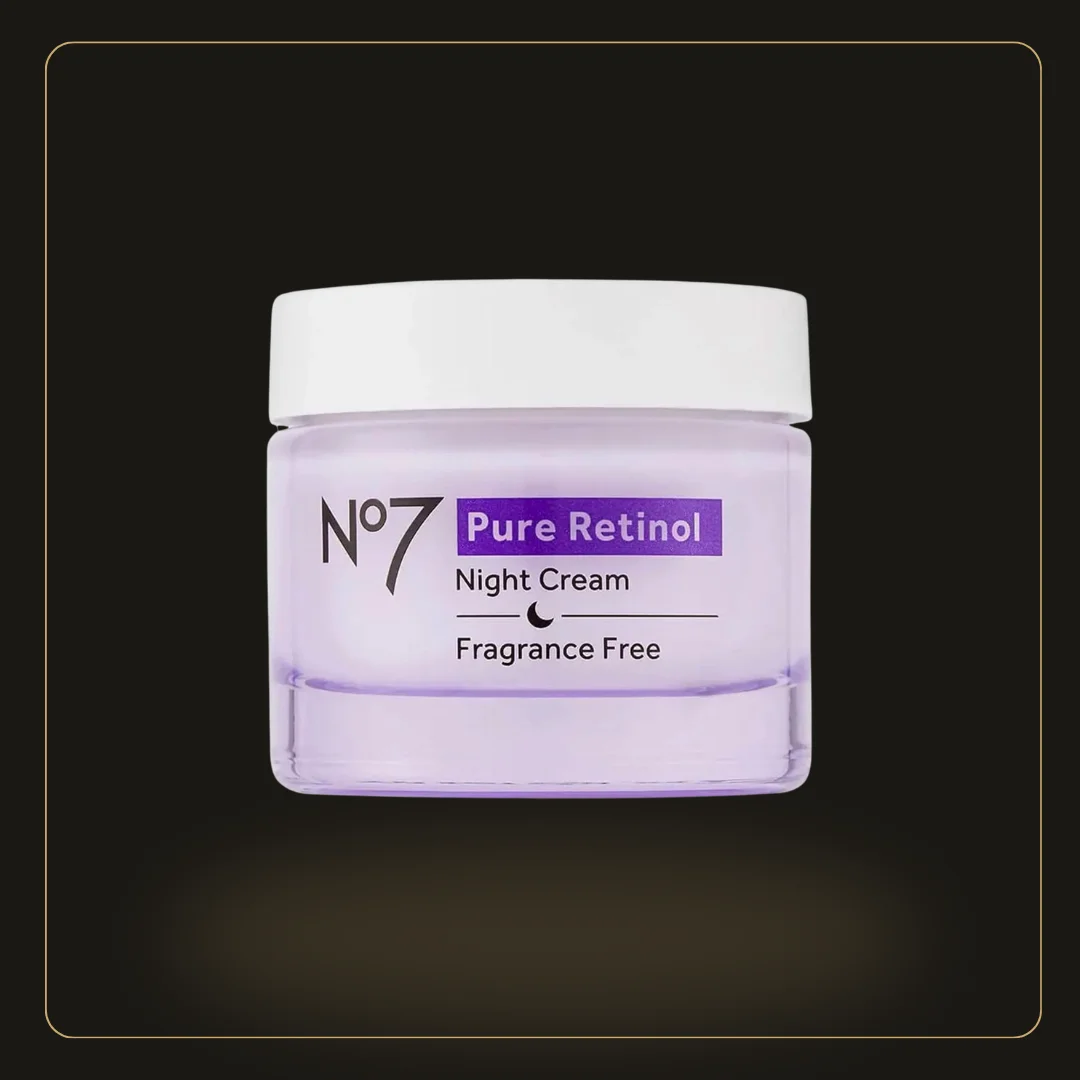
No7 is a proper British institution, sold through Boots since 1935, the kind of counter your relatives across the pond might have shopped for decades. This is its Pure Retinol chapter, and it's aimed at firmness as much as fine lines.
Alongside pure retinol it stacks hyaluronic acid and Matrixyl peptides, plus a bisabolol-and-shea soother to take the edge off. It's fragrance-free and dermatologist-approved, and at around $27 it feels a touch more considered than the basic drugstore tubs.
Why We Like It
A peptide-forward, fragrance-free pick that quietly punches above its drugstore price.
Price
About $27 for 1.69 oz (check current pricing)
Geologie Skin Repair Moisturizer
Best For: Blemish-Prone and Acne-Prone Skin
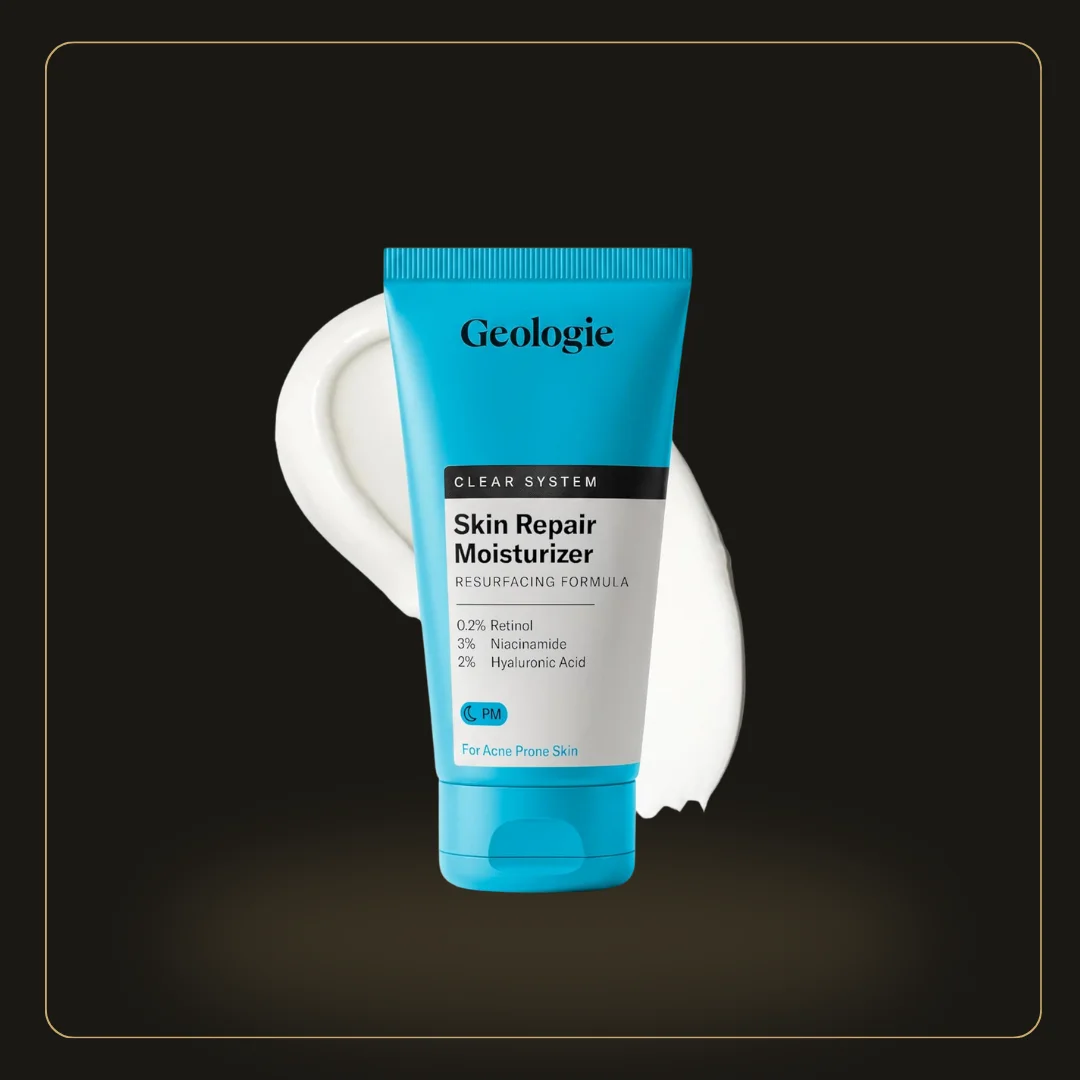
Here's the one I'd point a label-reader toward. Most brands won't tell you their retinol percentage; Geologie does, and it's a sensible 0.2%. No mystery, no marketing math, just a number you can actually plan a routine around.
It's paired with niacinamide to quiet redness and hyaluronic acid to hydrate, aimed squarely at blemish-prone skin that wants renewal without benzoyl peroxide's harshness. At about $20 for a generous 2 oz, it's one of the best values in the whole list.
Why We Like It
If breakouts are as much your concern as fine lines, the 0.2% retinol and niacinamide target both without harsh acne actives.
Price
About $20 for 2 oz / 60 ml (check current pricing)
LilyAna Naturals Anti-Aging Retinol Face Cream
Best For: A Plant-Forward, Fragrance-Free-Leaning Option

The small, family-run underdog of this list surprised me. It has tens of thousands of reviews and a genuinely devoted following, and it goes fully botanical, pairing retinol with aloe, jojoba, shea, green tea, and a garden's worth of plant extracts, made in the USA and vegan and cruelty-free.
Two things I'd tell a friend first: it doesn't disclose a retinol percentage, and while there's no synthetic fragrance, those botanicals leave a light natural scent that reviewers either love or don't. If your skin runs reactive, patch test before nightly use.
Why We Like It
For someone who prefers plant-forward formulas and doesn't need a disclosed percentage, it's an affordable, well-loved option, as long as the botanical scent sits right with you.
Price
About $22 for 1.7 oz (check current pricing)
OSEA Dream Night Cream with Bio-Retinol
Best For: A Gentler, Plant-Derived Alternative

OSEA is a family story I have a soft spot for. Founder Jenefer Palmer started it in Malibu back in the 1990s around the idea that seaweed could heal skin, and it's stayed vegan, Leaping Bunny cruelty-free, and packaged in that pretty frosted glass jar.
The cream itself is a genuine pleasure, rich with shea, squalane, and macadamia. Two honest notes from me: its bio-retinol is algae-derived, so the evidence is thinner than for true retinol, and the lavender scent, lovely as it is, means sensitive skin should patch test.
Why We Like It
For anyone who wants a plant-derived option and doesn't mind fragrance, it feels like a treat after a long day.
Price
About $68 for 1.9 oz (check current pricing)
Obagi Medical Retinol + PHA Refining Night Cream
Best For: Texture and Tone, With Gentle Exfoliation

Obagi is the name you'd usually meet in a dermatologist's office, not a drugstore aisle. It was built by a physician, Dr. Zein Obagi, and it carries that clinical seriousness, which is part of what you're paying for at $135.
The retinol is entrapped in slow-release microspheres to soften early irritation, paired with gentle PHA (gluconolactone) rather than a harsher acid, plus hyaluronic acid and squalane to cushion. It's the splurge of the group, earned if resurfacing texture and tone is your priority.
Why We Like It
The slow-release retinol and gentle PHA make this a considered choice for skin that wants results without a harsh acid.
Price
About $135 for 1.7 oz / 50 ml (check current pricing)
How to Choose a Retinol Night Cream
The best retinol night cream for you depends less on the brand and more on how much your skin can comfortably handle. Here's what I look at before anything else.
Read the Strength, Not Just the Name
Over-the-counter retinol creams usually run from about 0.1% up to around 1%. Higher isn't automatically better, and for a lot of people it just means more redness. If a label doesn't list a percentage, treat it as a starter strength and go slowly either way.
Ingredient Spotlight
Retinol
What It Is
A vitamin A derivative (all-trans-retinol) used in over-the-counter creams and serums.
Typical Strength
Roughly 0.1% to 1% in OTC products. Start at the low end.
What It Does
Your skin converts it to retinoic acid, which may support cell turnover and collagen over time.
Evidence Level
Strong for photoaging at prescription strengths; supportive for lower OTC retinol.
Start Slow So Your Barrier Can Keep Up
A pea-size amount of any retinol cream two or three nights a week is plenty when you begin. If your skin stays comfortable after a couple of weeks, you can add a night. If it stings for more than a few minutes, flakes, or feels tight, that's your signal to slow down, not push through. Please don't convince yourself that irritation means it's working.
Watch the Cost per ml, Not the Sticker Price
A small luxury retinol cream can cost more per use than a larger drugstore tube. Here's how these ten compare once you account for size, which is the number I'd actually weigh.
Cost per ml Breakdown
Good Molecules Gentle Retinol Cream
1 fl oz
~$0.27
L'Oreal Revitalift Night Cream
1.7 oz
~$0.28
Geologie Skin Repair Moisturizer
2 oz
~$0.33
LilyAna Naturals Retinol Cream
1.7 oz
~$0.44
No7 Pure Retinol Night Cream
1.69 oz
~$0.54
RoC Retinol Correxion Max
1.7 oz
~$0.57
Neutrogena Retinol Pro+ Night
1.7 oz
~$0.59
Olay Regenerist Retinol 24 Night
1.7 oz
~$0.60
OSEA Dream Night Cream
1.9 oz
~$1.21
Obagi Retinol + PHA Refining
1.7 oz
~$2.68
Who Should Be Cautious
Retinol isn't for everyone, and that's okay. If you're pregnant or breastfeeding, retinol is generally advised against, so please skip it until you've spoken with your healthcare provider. If your skin is very reactive or you have a condition like eczema or rosacea, a gentler active may serve you better.
If even a low-strength retinol cream feels like too much, softer options exist. We compared bakuchiol versus retinol for exactly this reason, and we rounded up our favorite gentle bakuchiol options for smoothing without the sting. For those curious about newer routes, we also weighed PDRN versus retinol.
Don't Layer Everything at Once
A common way to irritate your skin is to stack strong actives in the same routine. If you use a glycolic acid toner or a vitamin C serum, please space them out from your retinol cream rather than piling them on together. Your barrier can only take so many hits before it protests.
How to Work a Retinol Night Cream Into Your Evening
A retinol night cream belongs at night, after cleansing, before your heaviest moisture. Here's the gentle version of the routine I'd hand to a friend who's just starting.
The Ritual
Wash your face and let it dry fully.
Retinol on damp skin absorbs faster, which usually means more irritation. Give your face a few minutes.
If you're new or sensitive, apply moisturizer first, then your retinol cream on top.
This sandwich method softens the sting without blocking the results.
A pea-size amount covers the whole face. Let it absorb before bed.
More is not better with a retinol cream. Start two or three nights a week.
Wear sunscreen every day, no exceptions.
Retinol can make skin more sun-sensitive, so daytime SPF is part of the routine, not optional.
For where this fits alongside cleansing, rest, and the rest of your night, our evening beauty ritual and nighttime wind-down routine walk through the full sequence.
What the Research Actually Shows
Retinol's reputation rests on decades of study, though much of the strongest evidence comes from higher concentrations than a retinol night cream tends to use.
40%
Higher GAG levels
The Finding
After 24 weeks, skin treated with topical retinol showed glycosaminoglycan levels around 40% higher than untreated skin, along with more type I procollagen. Those are the matrix changes linked to fewer fine wrinkles.
Archives of Dermatology, 2007 · Vehicle-controlled trial · 36 older adults
The practical takeaway from the research matches what my own skin taught me. Consistency and tolerability matter more than chasing the highest percentage on the box.
The Bottom Line
Start gentle, stay consistent, and let time do the rest.
For most people new to retinol creams, the Good Molecules pick is the kindest place to begin, and it costs almost nothing to test. If your skin is already comfortable with actives, the Obagi and OSEA formulas give you more to work with. Whatever you choose, a pea-size amount a few nights a week beats a nightly slather your barrier can't handle.
Where I'd Start Tonight
If you're standing at the shelf unsure, pick the best retinol night cream your skin can tolerate, not the one with the loudest promise. For most beginners, that means low strength, a few nights a week, and a moisturizer you already trust.
If even a low-strength retinol cream feels like too much, gentler actives are worth a look, and a glycolic acid toner is best kept to separate evenings so nothing overlaps. And if you're pregnant, nursing, or using prescription skincare, please check with your healthcare provider before adding a retinol cream. Your skin will tell you what it can handle, and there's no rush to get there.
Frequently Asked Questions
How do I know if I'm having a retinol purge or a bad reaction?+
How often should I use a retinol night cream?+
Can I use retinol if I have sensitive skin or I'm pregnant?+
Can I layer retinol with vitamin C or acids?+
How long before I see results from a retinol night cream?+
Disclosure: The Ritual Guide is reader-supported. When you buy through links on this page, we may earn an affiliate commission. We independently select and review every product. Our recommendations are never influenced by brand partnerships. Learn more about our editorial process.