We've all had the same morning. You wake up, pull off your bonnet – or find it bunched at the foot of the bed – and your hair looks exactly like it would if you'd slept on a cotton pillowcase with nothing. The whole point was to protect your blowout, preserve your curls, or at least stop the friction damage that shows up as frizz and breakage over time.
The problem isn't bonnets as a category. It's that most of what's sold (even products that say "silk" on the label) are polyester satin. That distinction matters more than the marketing wants you to know.
We went through nine options across the full price range: budget satin picks that are honest about what they are, real 22-momme mulberry silk bonnets, hybrid designs for long or voluminous hair, and a patented silk hair tie for anyone who doesn't want a bonnet at all. We looked at fit, fabric claims, coverage, and whether the cost holds up against what you're actually getting.
If you're looking for a silk bonnet for sleeping that won't slip off by 3am, here's what we'd actually use.
Editorial Disclaimer
This article is for informational purposes only and is not a substitute for professional medical advice. The Ritual Guide does not diagnose, treat, or cure any condition. Always consult your healthcare provider before starting any new supplement, especially if you're pregnant, nursing, taking medication, or managing a chronic condition.
Key Takeaways
- Most "silk" bonnets are polyester satin — real mulberry silk is a protein fiber with a measurably lower friction coefficient against hair.
- 22-momme weight is the standard for durability — lower momme silk is thinner and less protective over time.
- If fit is the problem — not fabric — the Sleepy Tie's patented figure-eight bun system is a better solution than a bigger bonnet.
- Cost per night on any of these picks runs between $0.04 and $0.30 — the price difference between budget satin and real silk is smaller than most people expect on a per-use basis.
- Hair type matters more than brand — curly and 4C textures benefit most from real silk; for straight or wavy hair, a high-quality satin is often sufficient.
The Best Silk Bonnets for Sleeping
These nine picks cover the full range: real mulberry silk at multiple price points, honest satin options, a silk-lined hybrid, and a bonnet-alternative for blowout hair. Every product is available now and listed with verified pricing at time of writing.
1. ZIMASILK 22 Momme 100% Mulberry Silk Bonnet
ZIMASILK 22 Momme 100% Mulberry Silk Bonnet
Best For: All hair types wanting verified real silk

ZIMASILK uses grade 6A mulberry silk at 22 momme on both sides of the bonnet — not a silk-faced, satin-backed construction. The OEKO-TEX certification confirms the fabric is free of harmful chemicals, which matters when something is against your scalp for eight hours.
The adjustable elastic fits head sizes 21–23 inches and works well for fine to medium hair volume. It's not the right fit for thick or very voluminous styles — the brand says so directly, which we appreciate over vague "one size fits all" claims.
A slight natural silk scent on first use is common with real mulberry silk. Washing before the first wear removes it. The 180-day warranty and same-day support response make returns straightforward if the fit doesn't work.
Why We Like It
It's one of the few bonnets at this price point where the silk specification — momme weight, grade, OEKO-TEX status — is all verifiable. No guessing about what "silk-like" actually means.
Price
$34.99 (check current pricing)
2. Umisleep 22 Momme 100% Mulberry Silk Lined Bonnet
Umisleep 22 Momme 100% Mulberry Silk Lined Bonnet
Best For: Long, thick, or voluminous hair that won't fit standard-size bonnets

Umisleep's bonnet is built for volume — 13.4 inches in diameter and 9.8 inches tall, fitting head sizes 18–26 inches. It accommodates mid-back-length hair, braids, locs, and curl styles that collapse under a standard-size cap.
The construction is double-layered: a 22-momme mulberry silk inner that contacts the hair, and a denser satin outer that locks in natural oils and protects color. OEKO-TEX certified. The adjustable buckle is the standout fit feature — it works alongside the elastic to fine-tune the hold without the elastic alone cutting into the hairline.
One practical note from the brand: tuck the extra adjustment strap into the seam. If left loose, it can cause discomfort during side-sleeping.
Why We Like It
The size range is genuinely large — most bonnets cap out around 23 inches, and this one handles up to 26. It's the right answer for anyone who's given up on bonnets because nothing fits over their hair volume.
Price
$24.99 (check current pricing)
3. LaCourse Adjustable 22 Momme Mulberry Silk Bonnet
LaCourse Adjustable 22 Momme Mulberry Silk Bonnet
Best For: Anyone who wants 100% silk on both sides plus a matching silk scrunchie

LaCourse uses grade 6A, 22-momme mulberry silk on both sides — same specification as ZIMASILK — and includes a matching 22-momme silk scrunchie in the package. For anyone building out a nighttime hair routine, the scrunchie is a useful addition: it handles the pre-bonnet gather without the pressure marks a regular elastic leaves.
The adjustable button closure sits alongside the elastic band for a more customizable fit than most snap-on designs. Fits head sizes 21–24 inches. Not ideal for thick or voluminous hair — the brand is transparent about this, and the Umisleep above is the better call for larger styles.
The brand includes a burn test with purchase so buyers can verify the silk is real. It's a small touch, but it signals confidence in the fabric claim at a price point where that matters.
Why We Like It
The included silk scrunchie makes this the best bundle value in the real-silk category. Using a silk tie inside the bonnet reduces the pressure points that regular elastics leave on the hairline.
Price
$32.95 (check current pricing)
4. OLESILK Mulberry Silk Bonnet
OLESILK Mulberry Silk Bonnet
Best For: Real silk protection at the lowest price point in the category

OLESILK uses a modal exterior with a 100% mulberry silk inner lining. Modal is a plant-derived fiber — wrinkle-resistant, soft, and easy to wash — while the silk lining handles the hair contact directly. It's a practical construction for anyone who wants real silk against their hair without paying for full silk on the outside.
The hidden adjustable strap lets you tighten or loosen the fit without a visible buckle. Available in medium and large, in 14 colorways. The brand specifies hand wash in cold water under 30°C — standard care for any silk-lined garment.
At $15.99, it's one of the most affordable ways to get genuine mulberry silk in contact with your hair overnight. The trade-off is the hybrid construction — the outer layer is modal, not silk — but for the part of the bonnet that matters (the lining), it delivers.
Why We Like It
The modal outer makes this far more practical to care for than a full-silk bonnet — you can be less precious about washing frequency. The silk lining is where the hair-protection work happens, and that part is real.
Price
$15.99 (check current pricing)
5. LULUSILK 100% Mulberry Silk Bonnet
LULUSILK 100% Mulberry Silk Bonnet
Best For: Fine-to-medium hair needing lightweight real silk coverage

LULUSILK uses a modal and silk construction with adjustable strap and elastic band. At 0.12 pounds, it's one of the lightest bonnets in this guide — designed to be barely perceptible during sleep, which matters for side sleepers who find bonnets uncomfortable to wear for a full night.
The silk component contains 18 amino acids — a feature of natural silk protein (fibroin) that some research suggests may be beneficial for scalp and hair nourishment over time. Breathable in both warm and cold seasons. The adjustable strap is designed to address the slippage problem common in cheaper bonnets.
Comes gift-boxed in 13 colorways. Fits most hair styles — curly, braided, locs, wavy, long. Available on Amazon in the US; international shipping availability varies by location.
Why We Like It
The weight is the deciding factor here. If other bonnets have woken you up because they feel like they're sliding, LULUSILK's featherweight construction is worth trying before you give up on the category.
Price
$15.99 (check current pricing)
6. SLIP Pure Silk Turban
SLIP Pure Silk Turban
Best For: Shorter hair, fine hair, or anyone who prefers turban-style coverage over a traditional cap

SLIP is one of the better-known names in the silk sleep category, and the turban is their bonnet-adjacent product. It's 22-momme mulberry silk, machine-washable (unusual for real silk at this weight), and uses a stretchable pull-on band rather than an elastic or tie closure.
The turban format works differently from a cap — it wraps rather than covers, which means it works better for shorter or layered hair but can be less effective at containing long or voluminous styles. If your primary goal is keeping a blowout intact, the cap-style options above will hold more hair in place.
At $110, it's the highest-priced pick in this guide. The cost per night over two years works out to about $0.15 — still less than a cup of coffee. The SLIP brand carries credibility in the silk sleep space, but at this price, momme count and OEKO-TEX certification would be reassuring additions to the product listing.
Why We Like It
Machine-washable real silk is genuinely rare. For people who've avoided silk products because of the hand-wash requirement, SLIP's construction removes that friction from the routine.
Price
$110.00 (check current pricing)
7. YANIBEST Satin Bonnet
YANIBEST Satin Bonnet
Best For: Budget-conscious buyers who want real friction reduction without real-silk pricing
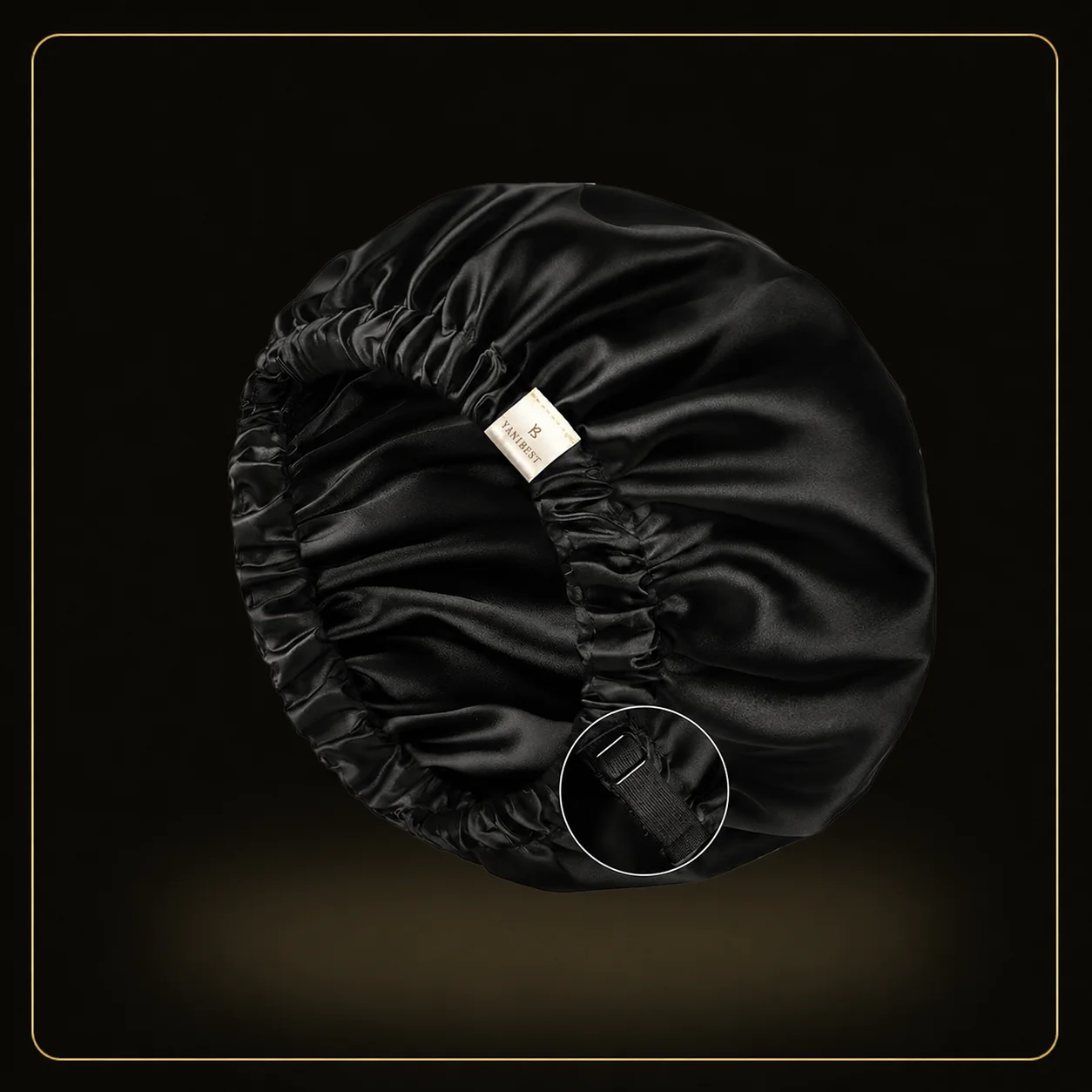
YANIBEST is one of the most popular satin bonnets in the category — and it's honest about what it is. This is a polyester satin bonnet, not silk. Satin is a weave pattern, not a fiber type. The smooth surface still reduces friction compared to cotton, but it doesn't carry silk's protein structure, breathability, or amino acid content.
The double-layer construction and adjustable drawstring-plus-rope closure are the design strengths. The XL size fits most hair types and volumes. Available in 19 colorways across two size options — large and XL.
At $14.99, it's the right choice if budget is the constraint and the goal is simply to stop cotton friction overnight. For anyone with curly, textured, or color-treated hair where moisture retention is a priority, the real-silk options above are worth the price difference.
Why We Like It
It's the most honest budget satin option in the category — YANIBEST doesn't market it as silk, the size range is generous, and the double-layer construction holds up better than single-layer satin at this price point.
Price
$14.99 (check current pricing)
8. Kitsch XL Satin Bonnet
Kitsch XL Satin Bonnet
Best For: Curly and textured hair that needs XL coverage at the lowest nightly cost

Kitsch markets this as "softer than silk" — a comparison to synthetic weave hand feel, not a claim that it outperforms silk in friction reduction. It's a polyester satin.
The double-layer construction and extra-long ties are the functional differentiators. The ties let you customize the closure tighter than a standard elastic, which solves slippage without relying on fit alone.
The XL sizing makes it a good pairing for Kitsch's heatless curler and roller products — designed to hold curl sets in place overnight without compression. Available in 9 colorways.
At $14.21 (currently on sale from $17.99), this is the lowest cost-per-night option in the guide at about $0.04 per use over a year. For straight or wavy hair where the friction differential between satin and real silk is less pronounced, it's a practical starting point.
Why We Like It
The tie-band closure is more effective than elastic alone for active sleepers. We'd put this on before real silk for anyone whose primary complaint is "my bonnet doesn't stay on."
Price
$14.21–$17.99 (check current pricing)
9. The Sleepy Tie — For Blowout Hair (and Its LuxeBonnet Companion)
The Sleepy Tie + LuxeBonnet System
Best For: Blowout hair — straight and wavy styles that don't work well inside a traditional cap

The Sleepy Tie is a different category from the bonnets above. It's a patented double-scrunchie that secures blown-out hair in a figure-eight bun, keeping the style intact overnight without the flat-crown problem that comes from sleeping with hair loose or in a standard bun. The satin fabric wraps the tie itself, so the hair-contact surface is smooth throughout.
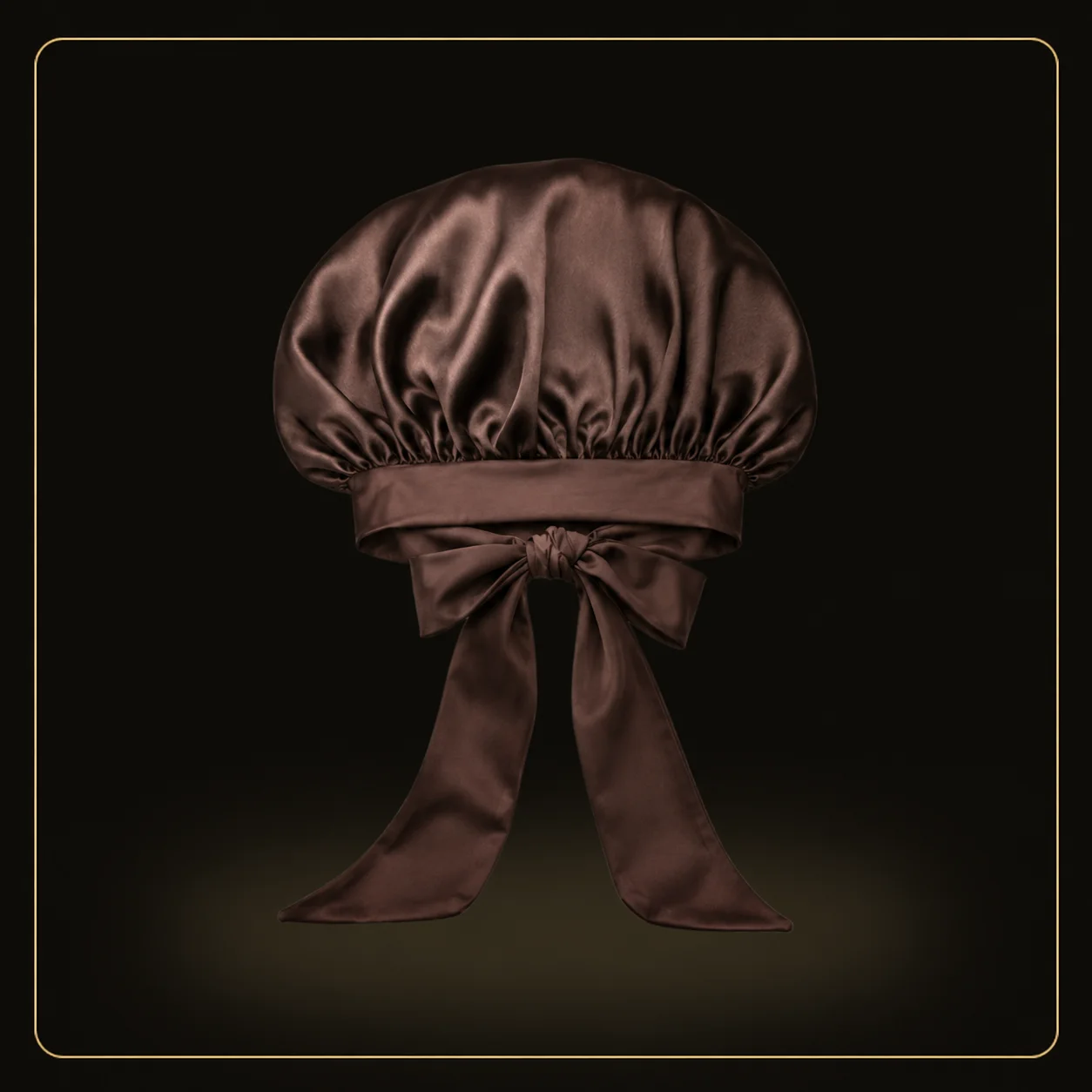
The LuxeBonnet is designed to wear over the Sleepy Tie — it adds a second layer of satin coverage around the whole style, catching any stray strands and providing the friction barrier on the outside. Both are made from luxe satin, not silk. The brand is explicit about this: the commitment is to luxury satin without animal cruelty.
The Sleepy Tie comes in Small, Medium, and Large (based on hair volume and length, not head size) and 13 colorways. The LuxeBonnet is one-size and adjusts with a spandex bow tie. It's a final-sale item — check sizing before ordering.
Why We Like It
If a cap doesn't work for your hair type, this is the answer. The bun-based system protects the entire length of a blowout in a way that no bonnet can, and the patented figure-eight shape doesn't leave a crease at the crown.
Price
Sleepy Tie $29.99 · LuxeBonnet $26.99 (check current pricing)
How to Choose a Silk Bonnet for Sleeping
Not every bonnet works for every hair type. Here's what actually determines whether a pick will work for you.
Real Silk vs. Satin — What the Difference Costs You
Silk is a natural protein fiber. Satin is a weave pattern that can be made from silk, polyester, or rayon — most bonnets labeled "satin" are polyester.
The distinction matters because of friction coefficient. Research published in the International Journal of Trichology documents that abrasion and friction cause hair damage through protein loss.
Silk's smooth protein-fiber surface produces measurably lower friction against hair than cotton or synthetic weaves. Satin reduces friction compared to cotton, but it doesn't match real silk's breathability, moisture-wicking behavior, or amino acid content.
For straight or wavy hair, the practical difference between high-quality satin and real silk is smaller. For curly, coily, or chemically treated hair where moisture retention and cuticle integrity are the priority, real silk is worth the price difference.
Momme Weight: What 22 Momme Means
Momme is the weight measurement for silk fabric — the higher the number, the more silk used in the weave. 22 momme is the standard for sleep bonnets that hold up to nightly washing and use. Lower momme silk (under 16mm) is thinner and wears out faster.
When a bonnet lists "100% mulberry silk" without a momme weight, ask why. Reputable manufacturers include it.
Fit and Coverage by Hair Type
The right bonnet shape depends on your hair volume, not just your head size:
- Short to medium-length hair, fine or straight: Standard-cap bonnets work. The ZIMASILK and OLESILK both fit this profile.
- Long, thick, or high-volume curly hair: You need the large-format construction. The Umisleep at 13.4-inch diameter is built for this.
- Blown-out or styled straight hair: A cap will flatten the top. The Sleepy Tie's figure-eight bun system is the right format.
- Protective styles (braids, locs): The Umisleep's generous height is the clearest match for styles that need vertical as well as horizontal room.
Cost Per Night — The Actual Math
Cost per Night (1-Year Lifespan)
Kitsch XL Satin Bonnet
Polyester satin
$0.04/night
OLESILK / LULUSILK
Silk-lined hybrid
$0.04/night
Umisleep Silk-Lined Bonnet
22mm silk inner, satin outer
$0.07/night
ZIMASILK / LaCourse
100% 22mm mulberry silk
$0.09–$0.10/night
SLIP Pure Silk Turban
22mm mulberry silk, machine washable
$0.30/night
What to Look for in a Silk Bonnet Label
Before buying, check for these four things on any silk bonnet listing:
- Momme weight. 22 momme is the target. Anything below 16mm is thin and wears out faster.
- Grade designation. Grade 6A is the highest mulberry silk classification. Grade 3A or unmarked is lower quality.
- OEKO-TEX certification. Confirms the fabric is free of harmful substances. Relevant when something sits against your scalp for 8 hours nightly.
- Fabric composition specificity. "100% mulberry silk on both sides" is verifiable. "Silk-like" or "silky" is not silk.
Who a Bonnet May Not Be Right For
Some people genuinely can't sleep in a bonnet — it slips, it's too warm, or it compresses styles they've worked to preserve. A silk pillowcase can provide meaningful friction reduction as an alternative, and our best silk pillowcases guide covers which ones are worth the price at each tier.
The Sleepy Tie is worth trying if the bonnet format has never worked but you still want overnight hair protection. We cover both options in depth in our silk bonnet vs. silk pillowcase comparison.
Editor's Note
A silk pillowcase works differently from a bonnet — it covers the pillow surface rather than enclosing the hair. For a side-by-side breakdown of which one protects better by hair type, see our silk bonnet vs. pillowcase comparison. If you're shopping both, our best silk pillowcases guide covers what to look for and which ones hold up.
What the Research Says About Overnight Hair Friction
What the Research Says
Silk's protective benefit for hair is mechanical, not cosmetic. Research documents that hair cuticle damage accumulates through repeated friction against rough surfaces.
Natural silk fibers produce a measurably lower friction coefficient against hair than cotton or synthetic weaves. What your hair contacts during eight hours of sleep matters more than most people factor into their hair care routine. For more on how the two fabrics compare, our silk vs. satin bonnet breakdown goes deeper on the fiber science.
The mechanism behind overnight hair protection is well-documented in the cosmetics literature. A 2015 review in the International Journal of Trichology confirmed that abrasion and friction are primary contributors to hair protein loss and cuticle damage over time — and that the cumulative nightly contact between hair and fabric is a meaningful variable in long-term hair health.
34%
Friction reduction
The Finding
Independent textile laboratory testing found that pure mulberry silk pillowcases reduced hair friction by 34% compared to cotton — with cotton producing 51% more friction overall. Equivalent testing on bonnet materials has not been independently published, but the friction mechanism is identical: it's the fiber contact surface that determines the result.
Mulberry Park Silks, 2025 · Independent textile lab · Multiethnic hair samples
The brand-reported friction reduction numbers (30–43% in most published comparisons) are directional, not from peer-reviewed RCTs. The mechanism is well established: lower friction coefficient from natural protein fiber.
What isn't confirmed with the same rigor is the exact percentage improvement or the specific outcome claim (X% less breakage) that some brand pages advertise. We'd treat the science as supporting the habit rather than guaranteeing a specific result.
What to Wear It With
A bonnet does most of its work when the rest of your pre-sleep routine is consistent. These two steps make the biggest difference:
Detangle before you put the bonnet on. Friction inside the bonnet — hair catching against itself — does the same damage as friction against a pillowcase. Starting with detangled hair means the bonnet is enclosing a smooth surface, not compressing knots.
Apply any leave-in product before sealing the bonnet. The bonnet's job is to hold the moisture in, not to add it. If you apply product after, the bonnet just delays absorption. Apply first, then seal.
Editor's Note
For a full step-by-step pre-sleep routine — timing, product layering, and how the bonnet fits into the sequence — see our overnight hair ritual. It covers the complete routine in a way that makes the bonnet habit actually stick.
Making the Right Call on Silk Bonnets for Sleeping
The honest answer on silk bonnets for sleeping is that fabric specification matters more than brand name, and fit matters as much as fabric. A 22-momme OEKO-TEX certified silk bonnet for sleeping that slips off by midnight does less than a well-fitting satin one that stays in place.
Start with fit and coverage for your hair volume. If that's solved, upgrade to real silk — the ZIMASILK or Umisleep are the clearest silk bonnet recommendations for most buyers. If you've never found a silk bonnet for sleeping that works, the Sleepy Tie is worth trying before you give up on the category.
If you're also considering a silk pillowcase as an alternative or companion, our silk bonnet vs. silk pillowcase comparison covers when each one makes more sense and whether both is worth it.
Editor's Note
If you're building a full overnight hair protection setup, the bonnet pairs well with a dedicated sleep routine. Our nighttime wind-down routine covers the full sequence. And for a deeper breakdown of which fabric is worth the premium, our silk vs. satin comparison covers the fiber-level differences in detail.
The Bottom Line
For curly, coily, and color-treated hair, real 22-momme mulberry silk is the right call. For everyone else, fit comes first.
Pick the ZIMASILK if you want verified real silk without overpaying. Pick the Umisleep if you have voluminous or protective-styled hair. Pick the Kitsch or YANIBEST if you want to start with something affordable and see whether the habit sticks before investing more. And pick the Sleepy Tie if bonnets have never worked for you — it's a different approach to the same problem.
Still deciding between a bonnet and a pillowcase? Our silk bonnet vs. pillowcase comparison breaks down which one makes more sense by hair type. Still deciding between satin and real silk? Our best silk pillowcases guide shows how to verify the fabric claims before buying.
Frequently Asked Questions
Is silk better than satin for sleeping?+
Why does my silk bonnet keep falling off?+
What is 22 momme silk and why does it matter?+
Can a silk bonnet help with hair breakage?+
How do I wash a silk bonnet?+
Medical Disclaimer
This article is for informational purposes only and is not a substitute for professional medical advice. The Ritual Guide does not diagnose, treat, or cure any condition. Always consult your healthcare provider before starting any new supplement, especially if you're pregnant, nursing, taking medication, or managing a chronic condition.
Disclosure: The Ritual Guide is reader-supported. When you buy through links on this page, we may earn an affiliate commission. We independently select and review every product — our recommendations are never influenced by brand partnerships. Our editorial process.